

Thousands rally in Islamic Revolution anniversary
Pezeshkian frames anniversary as a stand against injustice and foreign undermining
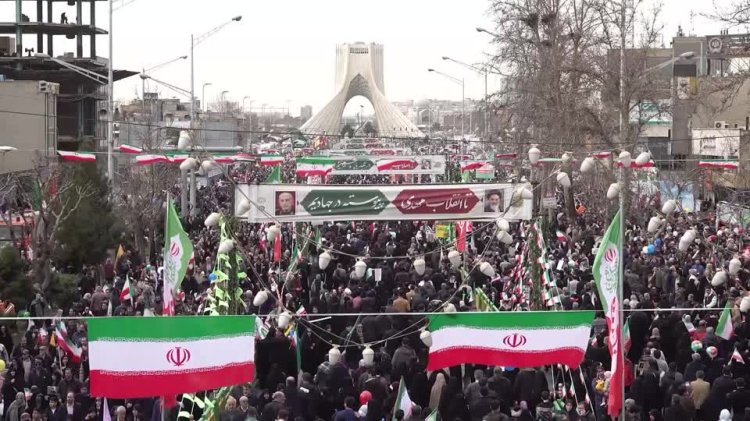
Thousands of Iranians marched on the streets of Tehran to mark the 47th anniversary of the Islamic Revolution. Participants chanted anti‑US and anti‑Israel slogans, carried portraits of martyrs from the eight‑year Iran–Iraq war and recent conflicts, and displayed burned vehicles said to be damaged in January unrest. Organisers reported about 7,200 domestic and nearly 200 foreign journalists covering events.
President Masoud Pezeshkian addressed the Tehran gathering, framing the anniversary as a stand against “injustice, oppression, and tyranny” and emphasising the Revolution’s founding goals of justice, independence and national dignity. He urged unity and praised the role of the Leader of the Islamic Revolution in guiding the nation through challenges, while accusing foreign powers of repeatedly trying to undermine Iran — citing US and European support for Saddam Hussein during the Iran–Iraq war and recent alleged hostile acts.
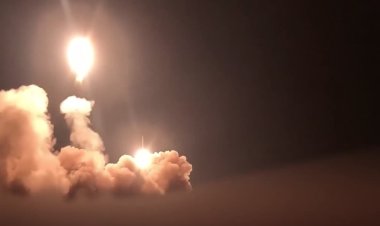
Authorities and marchers linked the demonstrations to recent domestic unrest in early January, when protests sparked by economic grievances escalated into violent episodes that officials said involved armed infiltrators who vandalised shops, government buildings and public facilities. Iranian statements have accused American and Israeli intelligence agencies of funding, training and otherwise supporting those responsible; a Foundation of Martyrs and Veterans Affairs figure cited 3,117 deaths during the incidents, including civilians and security personnel. In response, organisers exhibited wreckage and military hardware in Azadi Square — including cruise and ballistic missiles (Soumar, Noor, Qadir, Zolfaghar, Haj Qassem, Emad) and the remains of drones Iran says were downed during a 12‑day conflict last year.
A formal resolution read by marchers described the turnout as evidence of national political maturity and cohesion in the face of what it called a “comprehensive hybrid war” by adversaries, principally the United States and Israel. The statement demanded preservation of social solidarity and warned against division and polarization, calling national unity the chief defence against internal and external threats.