

Saudi Arabia boosts influence in Yemen
Riyadh pours billions to back government forces
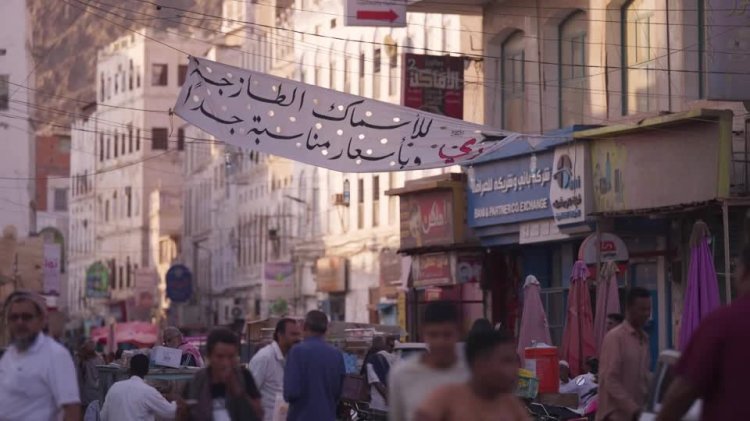
After pushing the United Arab Emirates out of Yemen late last year, Saudi Arabia is mounting a major political and financial push to consolidate influence in the country’s south, deploying billions to prop up the internationally recognized government and to unify fractious local forces.
Riyadh is budgeting nearly $3 billion this year to cover salaries for Yemeni forces and civil servants, officials said, including about $1 billion to replace funds Abu Dhabi previously paid to southern fighters. Total Saudi support for salaries, development projects and energy assistance could top $4 billion. The kingdom’s aim is to build a functioning, Saudi‑aligned administration in areas held by the exiled government, pressure Houthi rebels toward talks and prepare government forces for a possible military showdown if the fragile truce collapses.
The campaign combines cash incentives and political outreach: Saudi officials have courted southern separatists with the suggestion that a future independent state could be possible — contingent on resolving the Houthi conflict and, likely, a referendum — while inviting STC figures to Riyadh and covering their expenses. At the same time Riyadh has applied coercive pressure, detaining and sidelining Yemeni officials seen as insufficiently loyal during recent clashes between pro‑Saudi and Emirati‑backed factions.
Analysts say Saudi Arabia’s renewed regional activism signals a shift from its recent domestic focus under Crown Prince Mohammed bin Salman, but comes amid fiscal strain driven by lower oil revenues and costly domestic megaprojects. Riyadh appears to have concluded it cannot tolerate instability along its 1,800 km border, where Houthi attacks have previously struck Saudi infrastructure.
The plan faces significant obstacles: southern Yemen remains deeply divided among armed groups and tribes, the wartime economy is entrenched, and many Yemenis distrust external patrons. Observers warn that sustaining large payments and political engineering will be costly and uncertain, and that a lasting settlement could take years. Yemeni officials said Saudi backing could enable reorganisation of armed factions under state authority; critics and locals highlight the scale of the humanitarian and governance challenges, with low public-sector pay and limited prospects for peaceful livelihoods fuelling recruitment into armed groups.