

France seizes tonnes of cocaine at sea
Naval patrols intercept major drug shipments in Pacific and Caribbean
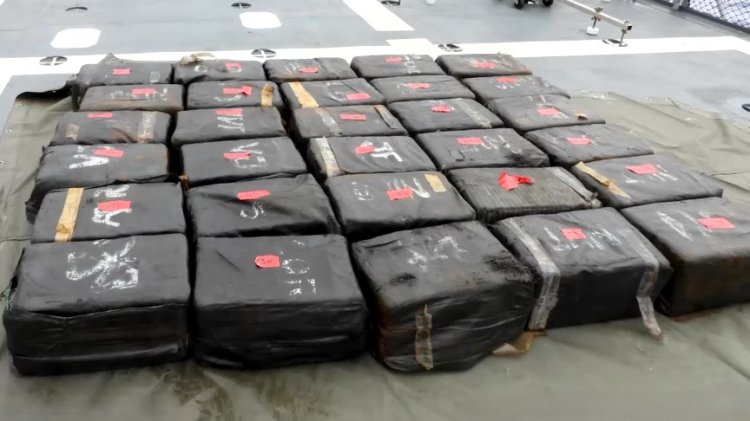
French naval forces intercepted over four tonnes of cocaine near French Polynesia and stopped another suspected vessel carrying the drug in the Caribbean, France’s armed forces minister said, in a major counter‑narcotics operation as international efforts ramp up against trafficking.
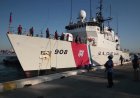
French Polynesian officials said a navy patrol acting on intelligence from French and New Zealand customs stopped a flagged vessel after its route and behavior raised suspicions. A search uncovered 174 packages of cocaine aboard; authorities said the shipment was not destined for Polynesia and the drugs were destroyed. A separate Pacific interception on January 16 seized nearly five tonnes of cocaine, underscoring an intensified pattern of long‑range maritime smuggling through the region.
French military sources described the Pacific seizure as among the largest recorded there and said traffickers are increasingly exploiting vast ocean distances, remote island chains and limited surveillance to move large consignments toward markets in Oceania, Asia and Europe. Traffickers use sailing boats, fishing vessels and cargo ships to transport narcotics over weeks or months, officials added.
The operation was coordinated with judicial authorities and international partners, though specific intelligence details were withheld. Crews from intercepted vessels were handled under international law; in the Polynesia case the crew and vessel were allowed to continue travel after procedures were completed. Judicial investigations have been opened to trace the cocaine’s origins and dismantle the trafficking networks involved.
French officials framed the seizures as part of a broader maritime security strategy that protects exclusive economic zones and supports global law enforcement efforts. France has stepped up counter‑narcotics activity across its overseas territories—the Pacific, Caribbean and Indian Ocean—pointing to the need for prolonged patrols and intelligence‑led missions given the Pacific’s size and logistical challenges.
Authorities warned that cocaine shipments fuel organized crime, corruption and violence across regions and stressed the public‑safety benefits of intercepting large consignments at sea. Local Pacific officials welcomed the operation but cautioned that increased trafficking heightens risks of local distribution, money‑laundering and related criminal activity.
France’s foreign minister, on a visit to Colombia, unveiled a multi‑pronged plan to confront rising trafficking in Latin America and the Caribbean and pushed for an EU sanctions regime to tackle the problem. Officials said continued international cooperation and expanded maritime surveillance remain essential to counter increasingly globalized drug networks.