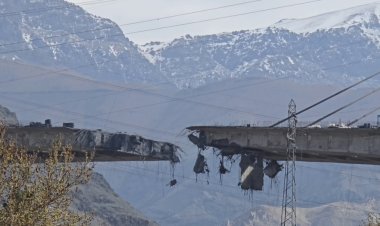


Syrian army enters Sweida after clashes
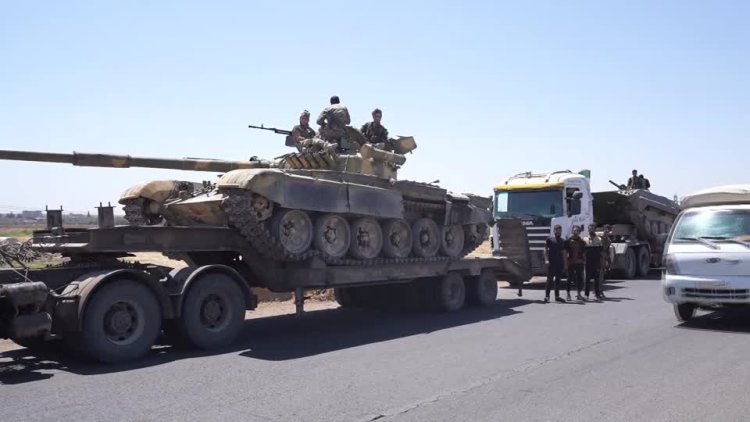
Convoys of Syrian army tanks, trucks, and motorcycles entered Sweida city following a statement from the Druze spiritual leadership, which allowed Syrian forces to enter to "stop the bloodshed" and urged armed groups to surrender their weapons. This development comes amid renewed heavy fighting between Druze armed groups and Bedouin fighters in Sweida province, resulting in numerous casualties and displacing thousands. The Syrian defense and interior ministries dispatched units to restore order in the region.
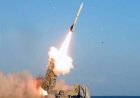
The violence poses a significant challenge for interim President Ahmed al-Sharaa, particularly in a region where Israel has pledged to protect the Druze minority. In response to the escalating conflict, Israel conducted airstrikes against Syrian government forces in the Sweida area, asserting its commitment to safeguarding the Druze community and maintaining a demilitarized zone near its border.
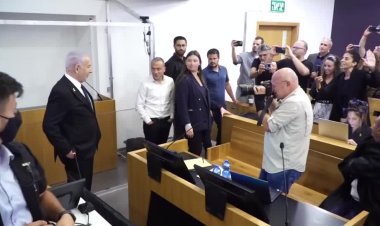
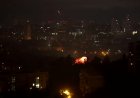
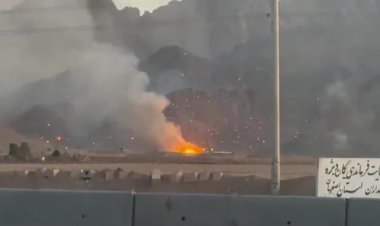
Reports indicated at least four airstrikes, with drones overhead and gunfire echoing in the city as violence persisted into a third day. Israeli officials, including Prime Minister Benjamin Netanyahu, emphasized their determination to prevent harm to the Druze in Syria, citing a strong bond with Druze citizens in Israel.
Despite a declared ceasefire by Syrian Defense Minister Murhaf Abu Qasra, sporadic clashes continued, with accusations of ceasefire violations by government forces, including alleged executions of Druze individuals and reports of looting. The Syrian Observatory for Human Rights reported approximately 166 deaths since the onset of the violence, including civilians and children.
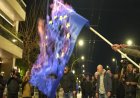
Tensions further escalated as Druze leaders initially supported disarmament but later called for resistance against government troops, accusing Damascus of breaching the ceasefire. Protests emerged in Lebanon, northern Israel, and the Golan Heights, reflecting the broader regional implications of the conflict.