

Indian exporters cheer U.S. tariff cuts
Industry expects higher shipments and improved competitiveness
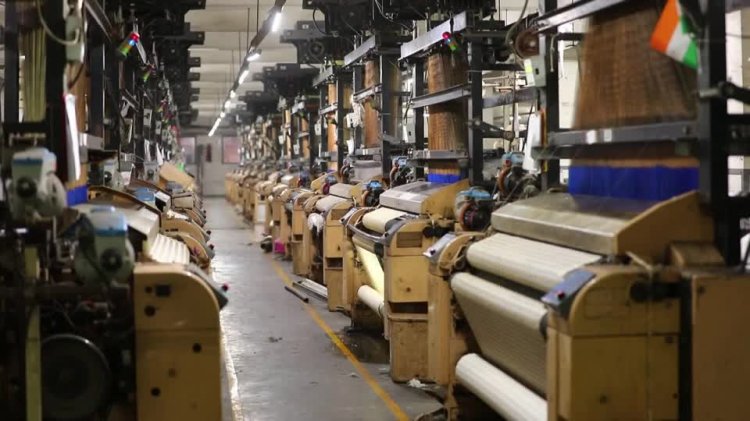
Indian textile and jewellery exporters welcomed announced cuts to U.S. tariffs, saying the move could boost shipments, revive demand and improve competitiveness in a key market. Industry groups said lower duties on garments, fabrics and jewellery will make Indian products more price‑competitive relative to rivals enjoying preferential access, potentially translating into higher orders for ready‑made garments, home textiles and cotton products. Many factories, operating below capacity amid weak global demand and rising costs, could ramp up production and stabilise employment—especially for women and migrant workers in the apparel sector.
Jewellery exporters said tariff relief would aid both mass‑market and high‑end segments, benefiting the U.S. market for Indian‑cut diamonds and gold jewellery by increasing margins or enabling price reductions to stimulate consumer demand. The gems and jewellery sector, contending with volatile gold prices and tighter financing, viewed the change as a rare positive development that could support investment in design, branding and technology.
Trade bodies framed the decision as a signal of strengthening India‑U.S. commercial ties and a recognition of India as an alternative manufacturing hub amid global supply‑chain shifts. Exporters urged domestic measures—improved logistics, credit availability and compliance support—to ensure firms can capitalize on the opportunity. They also sought clarity on the scope and duration of tariff cuts, warning that predictability is essential for investment and capacity expansion.
Analysts noted that sustained export gains depend on exporters’ response to demand, input‑cost pressures, currency volatility and the health of the U.S. consumer. Some exporters reported preliminary talks with American buyers about expanded orders; U.S. firms’ interest in diversifying sources could accelerate reliance on Indian suppliers. Industry associations plan continued engagement with both governments to pursue further trade facilitation or deeper bilateral agreements.
Overall, sentiment among exporters is cautiously optimistic: tariff reductions offer immediate price advantages and a potential catalyst for broader benefits across supply chains, including jobs and incomes. Yet longer‑term gains will hinge on domestic policy support, global demand recovery and exporters’ ability to upgrade quality and scale operations to meet renewed U.S. demand.