

Aid convoys wait at Rafah crossing
Ambulances and trucks seek Gaza entry as shortages persist
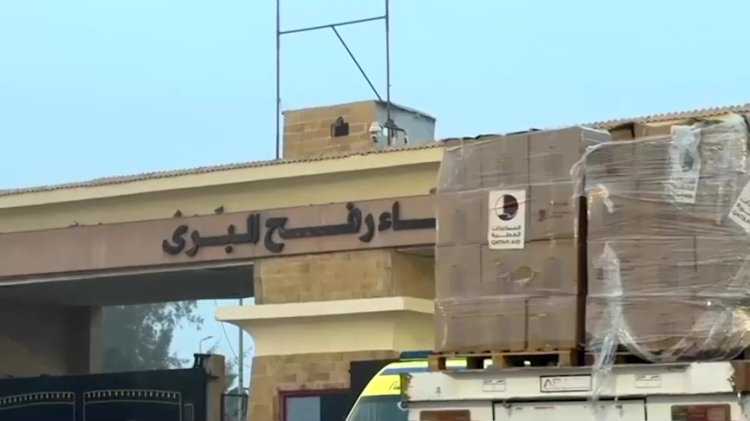
Ambulances and aid trucks clustered at Egypt’s Rafah border crossing, awaiting clearance to enter Gaza as humanitarian agencies and regional authorities seek to widen relief amid widespread shortages and continuing hostilities. The convoy—loaded with food, water, hygiene kits, medical supplies and ambulances prepared for patient transfers—was staged on the Sinai side where Egyptian officials inspect cargo before permitting entry. Aid groups say Rafah is the enclave’s principal gateway when other crossings are closed, but insist the current throughput is far short of needs as hospitals face critical shortages of medicines, fuel and equipment.
Officials described the shipments as destined for hospitals, shelters and displaced families; medical evacuations through Rafah have occurred intermittently, allowing some patients to reach treatment in Egypt or beyond, though many more require urgent transfer. Humanitarian organizations urged faster clearance and predictable, sustained access, warning that one-off convoys cannot resolve the scale of displacement, infrastructure damage and disrupted supply chains that leave millions dependent on external assistance.
Simultaneously, scenes of return unfolded at the crossing as hundreds of Palestinians re-entered Gaza and made their way back to Khan Younis, reuniting with relatives and confronting extensive destruction. Families reunited tearfully after months in displacement, many carrying few belongings and expressing relief mixed with anxiety over damaged or demolished homes. Local authorities and volunteers began clearing debris and assessing infrastructure needs, but municipal capacity and resources remain severely limited.
Humanitarian actors cautioned that large-scale returns without basic services pose grave risks: clean water, electricity and medical care are scarce, and unexploded ordnance and unstable structures threaten safety. International mediators said sustained ceasefires and coordinated return plans are essential to protect civilians and enable reconstruction.