

Mozambique restarts stalled LNG project
TotalEnergies to resume $20bn gas work after security improves
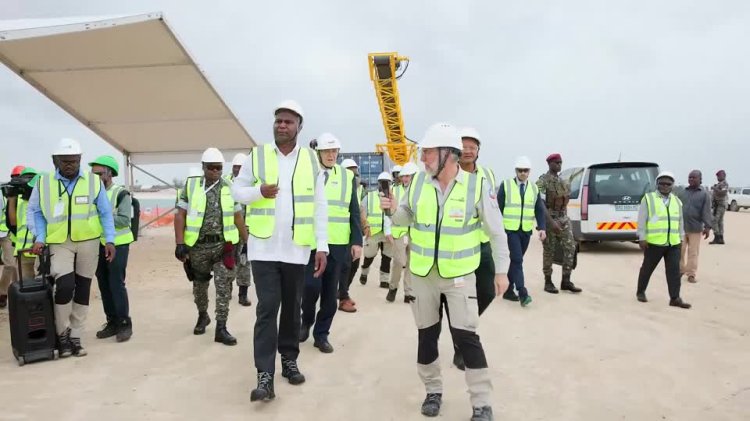
Mozambique and TotalEnergies have agreed to relaunch construction on a $20 billion liquefied natural gas (LNG) project on the Afungi peninsula in Cabo Delgado, restarting work suspended in 2021 after Islamist militant attacks. TotalEnergies, the project operator and largest shareholder with a 26.5% stake, said it is ready to resume activities while negotiations continue with the Mozambican government over cost increases incurred during the multi-year halt. The company also pledged 200 million meticais (about $3.2 million) to assist flood relief.
Security conditions around the site have improved, aided by the deployment of Rwandan troops and regional forces, though the insurgency remains active at lower intensity. TotalEnergies previously estimated the pause raised project costs by about $4.5 billion and has sought a 10-year extension of the development and production period as partial compensation; those discussions are ongoing with the state and partners.
The consortium’s planned capacity would produce roughly 13 million metric tons of LNG annually, positioning Mozambique as a major gas exporter and promising substantial government revenues through taxes and profit shares. TotalEnergies and partners have trained thousands of workers for the project, with about 4,500 people already prepared for employment and another 1,500 trainees receiving trades instruction near the site in Palma.
Partners include Japan’s Mitsui (20%), Mozambique’s ENH (15%), Bharat Petroleum, Oil India and ONGC Videsh (each 10%), and Thailand’s PTTEP (8.5%). Financing, investor confidence and export credit support remain focal points for lenders monitoring security and commercial risks.
The project has faced sustained scrutiny over security, financing, human rights and community displacement, drawing criticism from civil society and environmental groups concerned about inequality, local impacts and fossil fuel dependency. Mozambican officials and TotalEnergies have pledged greater community engagement, improved compensation mechanisms and social investment to spread benefits more widely.
Analysts warn that the relaunch is high-stakes: success could transform Mozambique’s economy through export earnings and jobs, while any resurgence of violence or funding shortfalls could derail timelines and further inflate costs. As construction resumes under enhanced protection, the outcome will hinge on continued security stability, resolution of cost-sharing terms, and the consortium’s ability to manage social and environmental concerns.