

Argentina finds vast deep-sea reef
Expedition documents rare species and conservation risks
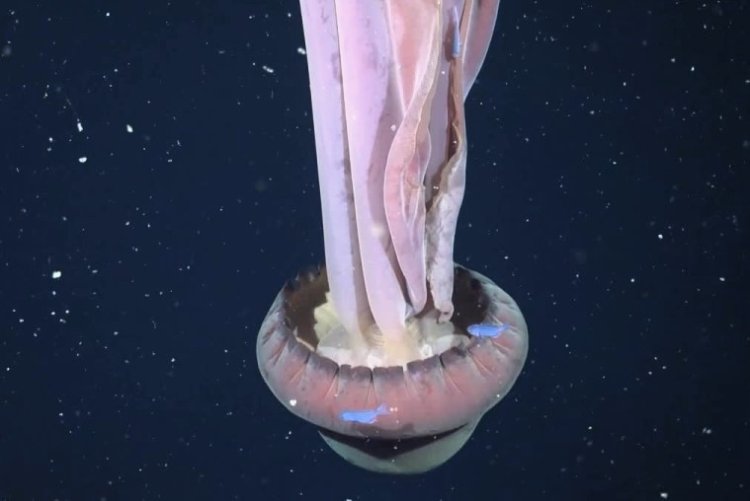
Researchers aboard R/V Falkor have uncovered unusually rich and diverse life in Argentina’s deep sea, documenting the largest-known Bathelia candida coral reef—about 0.5 km across—and numerous rare species across the Malvinas Trough near Tierra del Fuego. The expedition recorded organisms including rarely seen fish, crustaceans, octopuses, large sponges, Ancient Bubblegum coral gardens and a giant phantom jellyfish captured on video. Scientists reported a suspected 28 new species spanning worms, corals, sea urchins, sea snails and sea anemones.
Teams also documented Argentina’s first recorded deep‑water whale fall at 3,890 m and collected biological samples that researchers say offer a unique chance to study extreme ecosystems. Lead scientists described the discoveries as unexpectedly high in biodiversity and stressed that these habitats provide crucial ecosystem functions and connectivity for deep‑sea life.
The expedition flagged conservation concerns after finding deep‑sea debris, including fishing nets, plastic bags and a well‑preserved VHS tape, underscoring human impacts even at great depths. Researchers warned that advanced deep‑sea communities are vulnerable: many species grow slowly and recover poorly from disturbance, and proposed industrial activities such as deep‑sea fishing and seabed mining could cause long‑lasting damage.
Scientists called for expanded protection and management of Argentina’s offshore deep waters, arguing that these findings strengthen the case for marine protected areas and stricter regulation of harmful activities. They also noted the potential scientific and biotechnological value of newly observed organisms and emphasized the need to establish baseline data as climate change and oceanic shifts increasingly affect deep ecosystems.
The mission used remotely operated vehicles and high‑definition imaging to minimize disturbance while recording life at depths around 3,000 m. Researchers highlighted that the discoveries likely represent only a fraction of Argentina’s deep‑sea biodiversity and urged continued exploration and international collaboration to map, understand and protect these remote but ecologically significant habitats.