

Iran weighs fees on key shipping routes
Tehran signals new tariffs for transit through strategic waterways
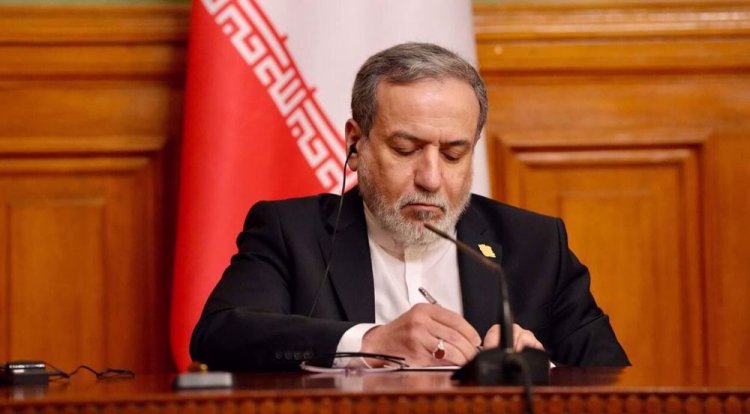
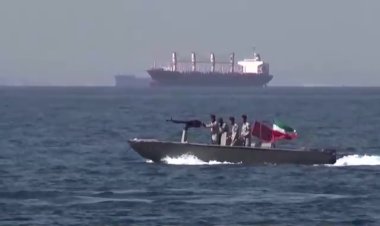
Iran’s Foreign Minister, Abbas Araghchi, has announced a significant shift in the country’s maritime policy, emphasizing Iran’s sovereign right to regulate and monetize transit through its strategic waterways.
In his remarks, Araghchi pointed out that major international maritime routes around the world impose substantial transit fees on vessels. He noted that countries overseeing key passages—such as Egypt through the Suez Canal, Panama via the Panama Canal, Turkey controlling the Bosphorus Strait, as well as authorities in Canada and the United States—routinely charge tariffs ranging from hundreds of thousands to well over $700,000 per transit, depending on vessel size and cargo.
By contrast, Araghchi emphasized that Iran has, for decades, allowed free passage through its waters without imposing comparable fees. He described this longstanding policy as a contribution to facilitating global trade and maritime movement.
However, he stated that this approach is now under review. “It is both reasonable and within our sovereign rights,” Araghchi declared, “for Iran to begin implementing transit fees for vessels passing through its waters, in line with international norms and practices.”
As a result, Iran has decided to introduce a structured system of tariffs and transit charges for maritime passage. Officials suggest that the move aims not only to align Iran with global standards but also to generate revenue and reinforce national economic interests.
This announcement could have notable implications for regional shipping routes and global trade dynamics, particularly given Iran’s strategic position along critical waterways.