

Mexico marks Battle of Puebla anniversary
Parades and reenactments celebrate history
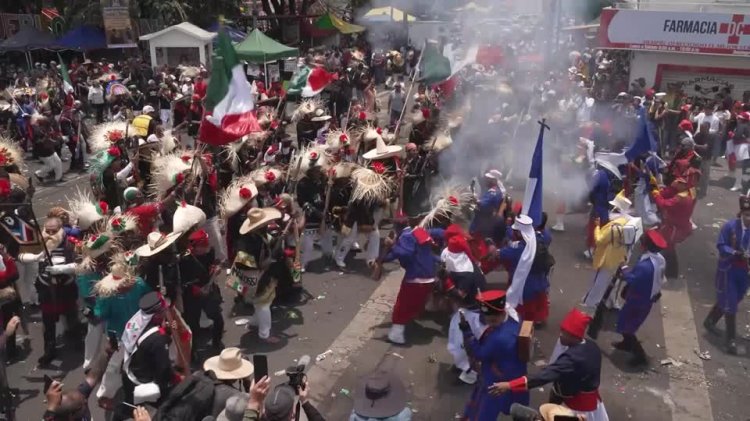
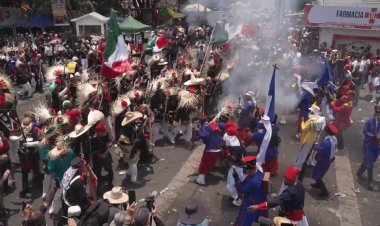
Hundreds of people gathered in Mexico City and other towns to mark the 164th anniversary of the Battle of Puebla with colourful parades, historical reenactments and civic pageantry, as participants in period military dress recreated scenes from the 1862 clash that has become known as Cinco de Mayo. In Puebla and neighbourhoods such as El Peñón de los Baños, staged battles, cavalry charges and coordinated drills drew families and tourists, with reenactors and local groups transforming the historic encounter into a public display of national pride and communal memory.
Organisers and officials said the observances are rooted in a symbolic victory led by General Ignacio Zaragoza, when outnumbered Mexican forces repelled French troops—an episode that, while not decisive in the wider Franco‑Mexican War, provided a lasting morale boost and has endured as a symbol of resistance. Schools, cultural organisations and communities used the anniversary to teach younger generations about the battle’s historical context and to celebrate Mexican heritage through music, dance and traditional cuisine.
Over time Cinco de Mayo has evolved from a localized military commemoration into a broader celebration of Mexican identity; it is widely observed in parts of the United States as well, where it has taken on additional cultural and political significance. Historians note the holiday’s prominence has fluctuated—growing in the US during the Chicano movement and becoming commercialised in later decades—yet many communities strive to preserve its historical meaning amid modern festivities.
Authorities in Puebla reported heightened security and logistical measures to manage large crowds and ensure public safety at reenactments and parades. Cultural advocates emphasised that the anniversary is distinct from Mexico’s Independence Day on September 16, underscoring Cinco de Mayo’s specific link to the 1862 Battle of Puebla and its role as a reminder of resilience, unity and the preservation of national memory.