

Israeli strikes hit southern Lebanon
Airstrikes killed seven as clashes with Hezbollah resumed
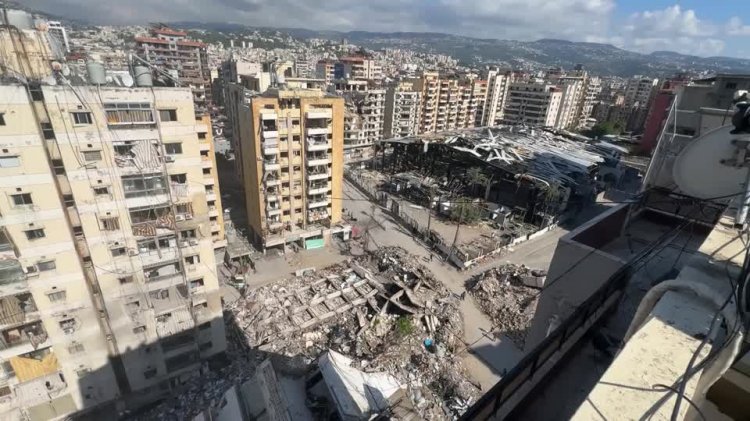
Israeli forces conducted drone and airstrikes across southern and eastern Lebanon, killing at least seven people and wounding six, including paramedics, Lebanese authorities reported. Attacks struck Mefdoun, where two people were killed, and hit areas between Zawtar al‑Sharqiya and Zawtar al‑Gharbiya. A strike on the home of a municipal council head in Zellaya, western Bekaa, killed four people and injured three, with rescuers still at the scene and the toll expected to rise. Separate strikes killed one person in Aadchit, Nabatieh district, and an Israeli drone attack on Deir Kifa wounded three paramedics. Fighter jets also struck Rishknaniyah, Safad al‑Battikh, Baraachit and Qallawiyeh, and a school building in Burj Qallawiyeh suffered severe damage.
Hezbollah said it engaged Israeli forces in response, targeting a gathering of Israeli soldiers and mounting counter‑actions across several southern localities. Reports indicated strikes also affected parts of the Tyre district. Israel later issued evacuation orders for residents of 12 villages in southern Lebanon, instructing civilians to stay at least one kilometre from their homes. The resumption of attacks came despite a ceasefire that had been brokered following wider regional de‑escalation; Israeli operations reportedly continued after an initial ten‑day truce was extended by three weeks.
The current flare‑up follows weeks of intensified exchanges that began with Hezbollah’s operations in early March, framed by the group as retaliation for Israeli actions and broader regional tensions involving Iran. Those hostilities escalated into a wider campaign that prompted international concern over civilian safety and the security of border communities. Lebanese authorities say at least 2,704 people have been killed and 8,311 wounded since the renewed offensive began in March, figures that underscore the heavy human cost and mounting humanitarian needs. The continuation of strikes, reciprocal military activity, evacuation orders and Israeli occupation measures such as a so‑called “Yellow Line” buffer in the south have compounded displacement and infrastructure damage, deepening instability and prolonging uncertainty for civilians across affected areas. Observers warn that without a durable cessation of hostilities and meaningful protections for non‑combatants, the cycle of attacks and reprisals may further erode prospects for a sustained calm along the Lebanon‑Israel frontier.