


Apple beats forecasts on strong quarter
Mac and services growth offset iPhone supply constraints
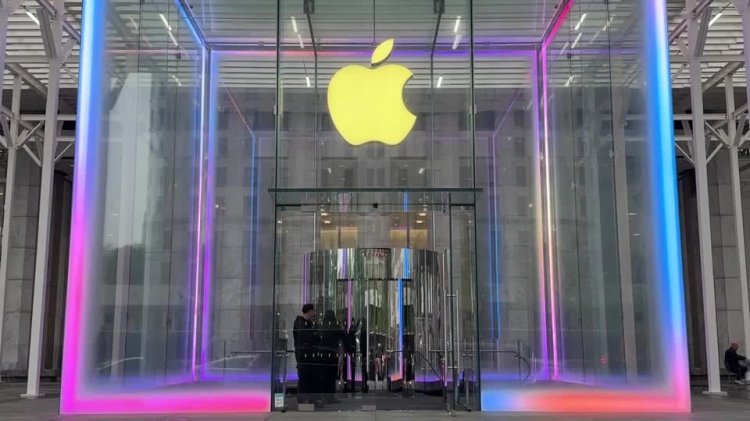
Apple posted quarterly results that exceeded analyst expectations, reporting $111.18 billion in revenue and $2.01 per share in earnings for the fiscal second quarter ended March 28. The beat was driven by strong performance in Macs and services, while iPhone sales were constrained by shortages of advanced processor chips used in the new iPhone 17 family. Apple said iPhone revenue reached $56.99 billion, slightly under forecasts, with CEO Tim Cook attributing the gap to supply limitations affecting production and distribution.
Mac sales stood out, totaling $8.4 billion and benefiting from demand for new models, including the low‑priced MacBook Neo aimed at students. Analysts see the Neo as a potential entry into a roughly $20 billion lower‑priced laptop segment dominated by Chromebooks. Gross margins improved to 49.27%, above estimates, helped by pricing strategies across the iPhone lineup and managing higher memory chip costs. Services revenue, encompassing the App Store and subscriptions, generated $30.98 billion, also topping expectations and underscoring Apple’s diversified revenue mix.
Other product lines beat forecasts as well: iPad sales were $6.91 billion and wearables, including the Apple Watch, contributed $7.9 billion. Greater China sales outperformed, reaching $20.5 billion. The company’s board approved an additional $100 billion in share buybacks, matching last year’s authorization.
Investors will be watching remarks from incoming CEO John Ternus, who designed several recent products including the iPhone 17 refresh and the MacBook Neo, and is slated to take over from Tim Cook in September. Market attention also focuses on Apple’s AI strategy and plans to enhance Siri with Google technology, topics expected to come up during the earnings call and at the company’s annual developer conference in June.
Overall, the results highlight Apple’s resilience through product diversification and strong services growth, while underscoring near‑term risks tied to component supply for its flagship iPhone line. Management faces the dual task of resolving supply bottlenecks and translating product momentum and AI initiatives into sustained growth.