

Joby tests eVTOL flights in New York
Demo links JFK to city heliports in minutes
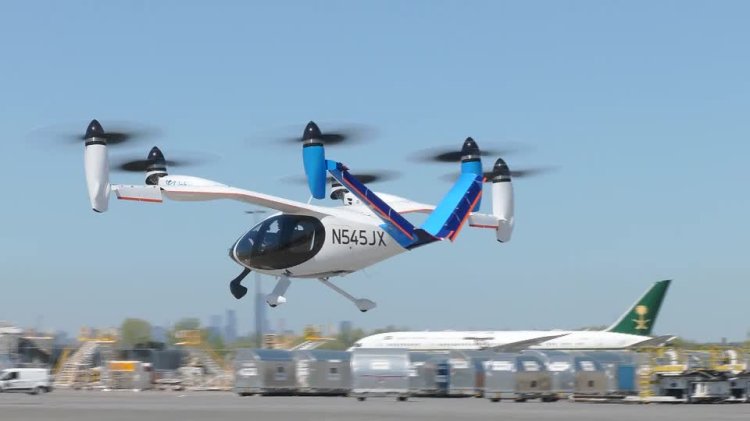
Joby Aviation completed a series of demonstration flights that connected John F. Kennedy International Airport to New York’s established heliport network as part of a week-long pilot under the Federal Aviation Administration’s eVTOL Integration Pilot Program. The company’s all‑electric vertical takeoff and landing (eVTOL) aircraft departed JFK and landed at Downtown Skyport as well as Midtown’s West 30th Street and East 34th Street heliports, a milestone described by company and port officials as the first operation of its kind in and out of a regional airport. Joby highlighted the speed of the route, saying the aircraft could link Lower Manhattan and Midtown to JFK in under ten minutes—far faster than typical congestion-driven ground travel.
Company leaders framed the flights as a tangible demonstration of next-generation urban air mobility and the types of operations the FAA program is designed to evaluate. Officials emphasized that while the demonstrations mark important progress, extensive safety testing, regulatory approvals, and certification processes remain essential before any commercial passenger service can begin. The flights were conducted in controlled airspace and intended to assess integration with existing airport operations and the city’s heliport infrastructure, with noise, airspace management, and passenger logistics among the factors under review.
The demonstrations come amid a global push by private firms and governments to commercialize eVTOL aircraft for short city hops and airport transfers. Proponents point to faster trips, lower local emissions, and quieter operations relative to many helicopters. Industry executives and analysts say scaling such services will require coordinated regulatory frameworks, infrastructure planning for vertiports and charging, and broader airspace integration efforts. If those technical and regulatory hurdles are overcome, supporters argue, eVTOL services could significantly reshape short‑distance urban travel by offering a rapid, electrically powered alternative to congested surface transportation.