

Nigeria pledges stronger humanitarian response
Vice President backs coordination with Red Cross on aid
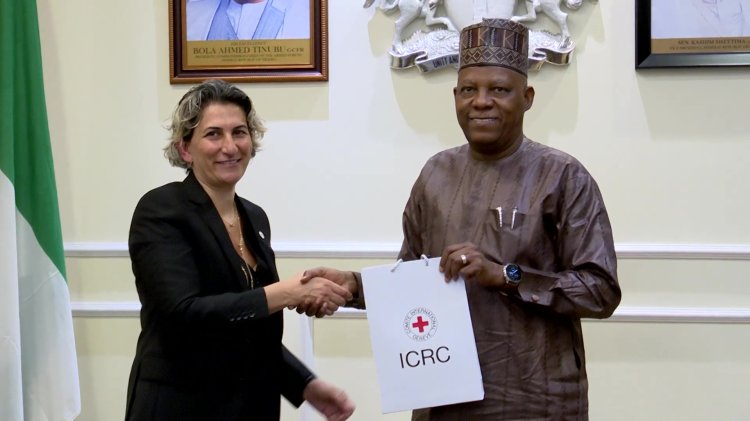
Vice President of Nigeria Kashim Shettima reaffirmed the federal government's commitment to strengthening humanitarian responses nationwide during a meeting with an International Committee of the Red Cross (ICRC) delegation led by Doris El Doueihy at the Presidential Villa in Abuja. He pledged continued engagement with development partners and stakeholders to address gaps in humanitarian operations and welcomed the ICRC’s proposal to establish a national mechanism to manage the needs of victims of armed conflict, saying the government is willing to collaborate on its design and operationalisation.
Shettima commended the ICRC’s professionalism and dedication to promoting peace and justice in conflict-affected areas, and emphasized that Nigeria’s security forces—described by him as highly professional—will continue to comply with international guidelines and standards in humanitarian contexts. He said nurturing relationships with organizations like the Red Cross is essential to improving response effectiveness across the country.
El Doueihy lauded Nigeria for domesticating the Kampala Convention on the protection and assistance of internally displaced persons, calling the country a model for others in Africa and underscoring the long-standing, productive partnership between the ICRC and Nigerian authorities in conflict zones. She described the visit as an affirmation of healthy diplomatic and operational ties that have strengthened over years of work in parts of the country.
Government officials outlined a strategy prioritising improved coordination among federal and state agencies and international partners, strengthening early-warning systems, enhancing logistics for timely aid delivery, and expanding support for internally displaced persons and host communities. The administration said its approach balances immediate emergency relief—addressing insecurity in the northeast, flooding in multiple regions, and rising food prices—with longer-term resilience-building measures aimed at reducing vulnerability among affected populations.
Humanitarian agencies welcomed the renewed focus on coordination but urged sustained funding and infrastructure improvements to ensure aid reaches those most in need effectively and transparently. The vice president’s assurances signal a willingness to deepen collaboration with the ICRC and other partners to close persistent gaps in Nigeria’s humanitarian response framework.