


Gold drops sharply amid market shift
Strong dollar and yields drive biggest weekly fall in decades
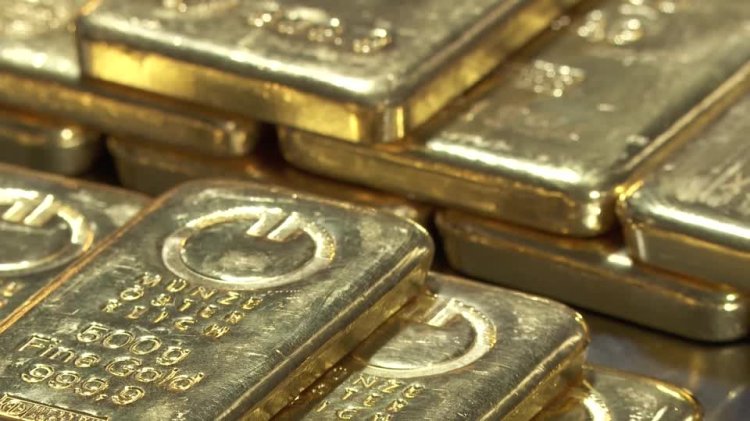
Spot gold slid about 6% to $4,214.89 an ounce, marking its lowest level since December 11 and extending a recent rout that included a more than 10% weekly drop—the worst weekly fall since February 1983. Prices remain over 20% below the January record high of $5,594.82.
The pullback reflects a blend of profit-taking after the earlier surge and shifting market expectations that have made interest-bearing assets more attractive. Rising bond yields and a firmer U.S. dollar reduced demand for non-yielding bullion, prompting investors to reallocate funds into yield-generating instruments. Signals from central banks suggesting rates may stay elevated longer than previously expected have reinforced that shift.
Geopolitical tensions in the Middle East, which had supported safe-haven flows into gold, eased enough to lessen urgent buying, though the conflict continues to provide some underlying support for the metal. Traders said incoming economic data and central bank communications will be key to determining whether higher yields remain the dominant force pressing prices.
Market participants noted the recent volatility reflected both technical selling and repositioning by holders who locked in gains after gold’s rapid ascent. Short-term sentiment turned more risk-on as some fears of immediate disruption faded, further weighing on bullion.
Analysts caution that conditions remain fluid: renewed geopolitical escalation, a sharp deterioration in economic growth, or fresh signs of inflation could quickly revive safe-haven demand and reverse losses. For now, however, a combination of stronger yields, currency moves and investor profit-taking has driven the steep pullback, and traders expect volatility to continue as global financial conditions and geopolitical developments evolve.