

Chile water protests target decree pause
Marchers warn rollback risks water security and environment
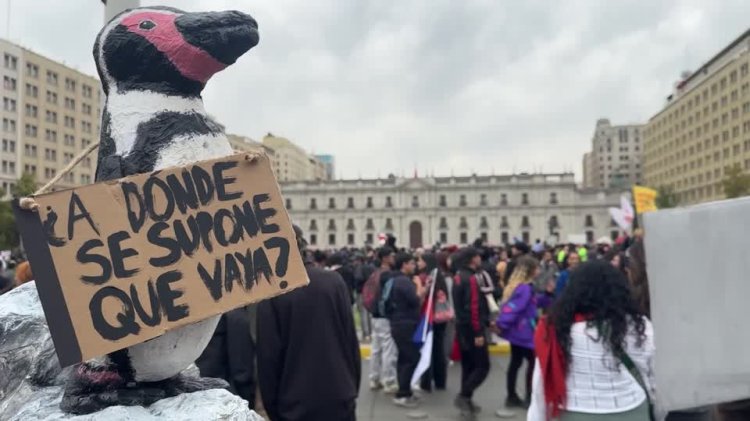
Thousands marched in Santiago to mark World Water Day and protest President José Antonio Kast’s decision to pause 43 environmental decrees drafted under the previous administration, organizers and state media reported. Demonstrators, led by groups including the Water Defense Movement, said the withdrawals signal a rollback of environmental protections and accused the government of prioritizing business interests over water security and ecosystem conservation.
The decrees, submitted near the end of Gabriel Boric’s term, cover measures such as emissions standards for power plants, pollution limits for copper smelters, creation of new national reserves and parks, and species protection plans including one for Darwin’s frog; that frog conservation plan was resubmitted for review last week. The new government removed the package from the Comptroller General’s Office for auditing, with the environment ministry saying such reviews are standard practice at the start of an administration and have precedent in prior transitions.
Protesters marched to the La Moneda presidential palace carrying banners reading “No + Ecocide” and similar slogans. Police deployed water cannons and urged crowds to disperse, and scuffles were reported near the palace. Organizers warned of further mobilizations if the government does not restore or advance environmental safeguards.
Supporters of the decree review, including government officials, argue the pause is intended to reassess regulatory impact and streamline procedures to support investment and economic activity. Critics counter that delaying or weakening standards—especially for heavy industry and mining—risks exacerbating water scarcity and environmental degradation in a country already facing prolonged drought in many regions.
Analysts say the dispute underscores Chile’s persistent tensions over water rights, resource management and the balance between economic development and environmental protection. With climate change intensifying hydrological stress, the outcome of the government’s audit and subsequent policy choices could have significant implications for conservation efforts, public access to water and the political landscape ahead.