

Cocoa piles up in Ivory Coast
Slump in demand strains farmers and exporters
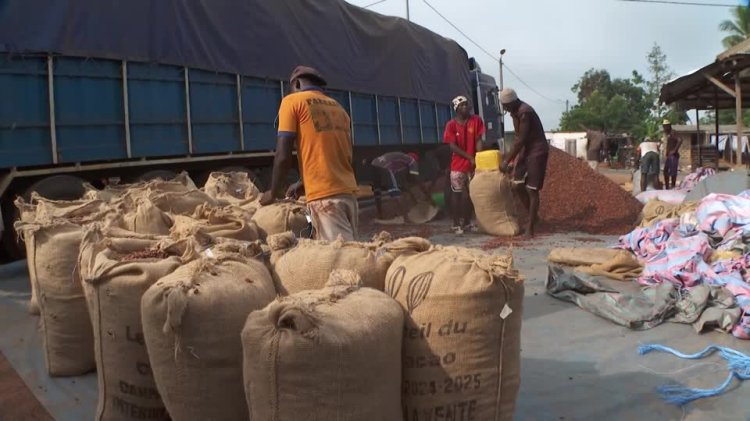
Unsold cocoa bags are accumulating across Ivory Coast as a global slump in cocoa demand collides with a record-high regulator-set farmgate price, straining exporters and farmers in the world’s top cocoa-producing country. Warehouses in towns such as Duekoue are filled to capacity, with cooperative manager Sekou Dagnogo saying sales have stalled and his group owes significant sums to growers who trusted it to move their beans quickly.
The Coffee and Cocoa Council raised the official marketing price at the start of the main crop to 2,800 CFA francs (just over $5) per kilogram to boost farmer incomes and support sector development. The regulator later launched a purchase program and accelerated buys after concerns emerged about cocoa stocks being stored in poor conditions. Yet global cocoa prices have fallen sharply in recent weeks—hitting their lowest levels in more than two years—prompting international buyers to scale back purchases and leaving exporters with growing inventories at ports.
Farmers report that buyers are offering below the mandated farmgate price, forcing producers with limited resources to accept reduced payments. Farmer Frederic Kouassi Kouassi said he is storing unsold beans at home but fears he may have to sell at a fraction of the expected price before the upcoming mid-crop harvest. Despite the pressure, he and others remain optimistic about the trees’ productivity.
Industry sources point to improved output forecasts, easing earlier weather-related supply fears, and cautious procurement strategies by chocolate manufacturers in Europe and North America as drivers of the demand downturn. Forward contracts and volatile futures trading in Europe and the U.S. have tightened margins for exporters when international prices move against expectations, while logistical bottlenecks and slower shipments have contributed to the buildup in storage facilities.
Analysts warn markets remain exposed to weather or geopolitical shocks that could rapidly reverse current trends. Government officials emphasize ongoing efforts to strengthen the sector, including boosting local processing to add value and reduce dependence on raw-bean exports. In the short term, traders say buying may resume if prices stabilize, which would relieve pressure on storage; until then, farmers and exporters face mounting financial strain from the mismatch between high domestic pricing and softer global demand.