

Canada holds Arctic defense drills
Operation Nanook tests forces in extreme cold
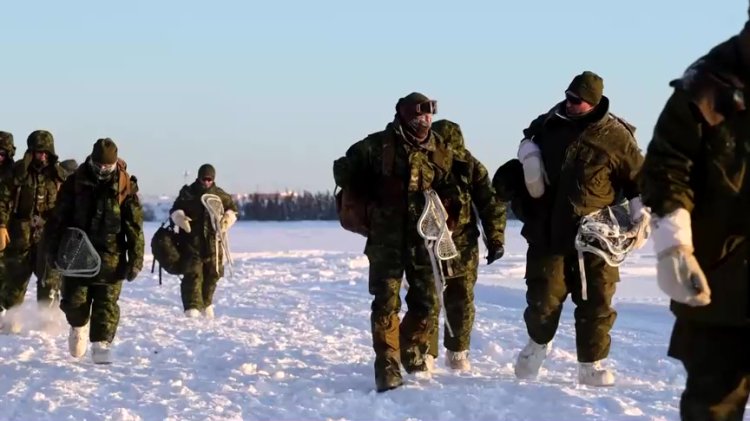
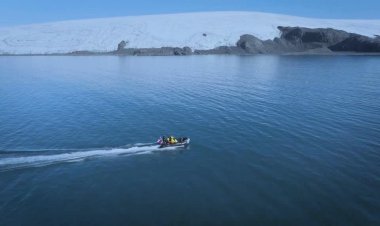
Canadian Forces personnel conducted large-scale Arctic drills under Operation Nanook, testing mobility, equipment and survival skills in extreme cold as part of efforts to bolster defense readiness and sovereignty in the North. Troops, aircraft and naval assets deployed across northern territories to rehearse patrols, search-and-rescue scenarios and joint operations with federal agencies and international partners, with exercises staged in locations including Yellowknife and Cambridge Bay.
Forces moved heavy equipment by air—one operation involved loading a 777 artillery piece onto a C-130 Hercules for transport to a higher Arctic location than previously attempted—and troops trained in sub-zero conditions where temperatures fell below −22°F. Crews faced cold-specific challenges: keeping helicopter components, batteries and avionics functioning, and ensuring personnel had adequate cold-weather clothing and shelter. Infantry units practiced survival techniques such as emergency smoke signalling, and Arctic mobility drills used specialized vehicles adapted for snow and rugged terrain.
The Canadian Rangers and local Indigenous communities participated, sharing local expertise and helping integrate community needs into planning for search-and-rescue and disaster-relief scenarios. Organizers emphasized cooperation with territorial partners to refine logistics and communications where infrastructure is sparse and distances are vast.
Operation Nanook comes amid intensified geopolitical attention on the Arctic. Canadian officials have sought closer defense ties with other Arctic states and recently opened a consulate in Nuuk, Greenland, as part of broader engagement in the region. While military leaders say the exercises are routine readiness measures rather than directed at any single actor, analysts note they reflect growing strategic competition as melting sea ice opens new shipping routes and resource access.
Training highlighted the operational impact of climate change—thinning ice and volatile weather introduce shifting variables that require updated tactics and equipment. The drills also tested new cold-weather technologies and gear, with lessons intended to inform future procurement and force posture.
Authorities said the exercises aimed to validate command-and-control, sustainment and interoperability across land, air and maritime domains, and to demonstrate the Canadian Armed Forces’ capacity to respond to emergencies and uphold sovereignty in the Arctic. As the operation progressed, military leaders stressed that strengthening presence, improving logistics and deepening partnerships with northern communities remain central to maintaining readiness in one of the world’s most demanding environments.