

Iran holds nuclear talks, naval drills
Geneva meeting and Hormuz exercise amid U.S. buildup
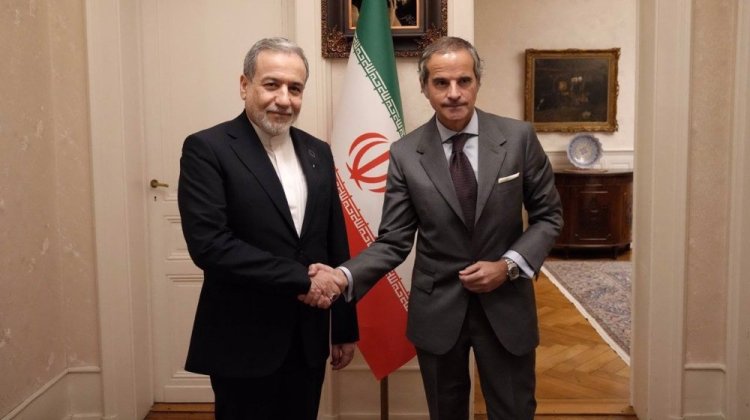
Iranian FM Abbas Araghchi met IAEA Director General Rafael Grossi in Geneva for technical talks on Tehran’s cooperation with the agency and implications of a parliamentary law on safeguards. The meeting, described by Grossi as “in-depth technical discussions,” was held ahead of a second round of indirect Iran–US talks mediated by Oman, where delegations led by Araghchi and US Special Envoy Steve Witkoff are set to resume negotiations on Iran’s peaceful nuclear programme.
Iran says it arrives with “concrete proposals” and rejects pressure-driven concessions, insisting any deal must include effective, verifiable sanctions relief.
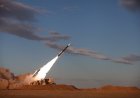
Meanwhile, the naval forces of the Islamic Revolution Guards Corps (IRGC) have started military drills off the country’s southern coast, practicing smart control of the strategic Strait of Hormuz.
The combined live-fire intensive drills, named "Smart Control of the Hormuz Strait," began on Monday and are directly supervised by the IRGC Chief Commander Major General Mohammad Pakpour.
The drills aim to test the readiness of the IRGC Navy’s operational units and review support programs and scenarios in the face of "possible security and military threats" in the strategic Strait of Hormuz.
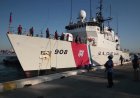
Iran is conducting naval exercises in the Strait of Hormuz as the administration of US President Donald Trump has deployed military forces to the region, including F-35 fighter jets, large fuel tankers, and additional naval assets, heightening concerns about possible new military action.
US officials said that the Pentagon was sending an additional aircraft carrier to the region, adding thousands more troops along with fighter aircraft and guided-missile destroyers.
Speaking at the White House, Trump confirmed that a second aircraft carrier -- the USS Gerald R Ford -- would be leaving the Caribbean for the Middle East “very soon.”