

Oil prices surge on conflict fears
Strait of Hormuz risks fuel supply concerns
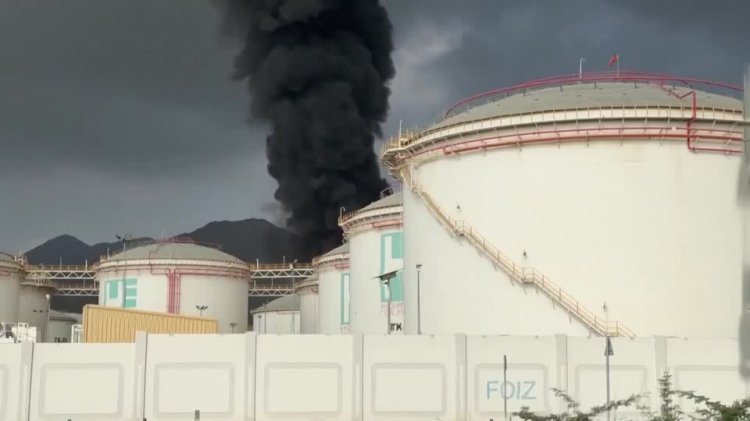
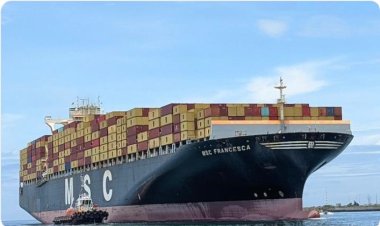
Oil prices jumped sharply as the expanding U.S.-Israeli conflict with Iran stoked fears of prolonged supply disruptions, especially around the Strait of Hormuz — a choke point that normally carries about one-fifth of global oil shipments. Early trading showed benchmarks surging to levels last seen in mid-2022, with Brent and U.S. West Texas Intermediate both rising more than 25% intraday before settling modestly lower, after some producers announced output cuts and tanker movements slowed amid elevated security risks.
Analysts linked the spike to mounting concerns that the crisis could keep maritime flows restricted for an extended period. Disruptions have already prompted Iraq and Kuwait to curtail production and led Qatar to reduce LNG output, while major exporters are rerouting some shipments via the Red Sea — volumes that so far cannot fully offset losses from the Persian Gulf. Market commentators warned that damaged facilities, constrained logistics and insurer refusals to cover transits could leave consumers facing weeks or months of higher fuel costs even if hostilities ease quickly.
The appointment of Mojtaba Khamenei as Iran’s supreme leader underscored hardline control in Tehran and heightened expectations of continued aggressive posture, adding to the market’s geopolitical risk premium. Military actions widening beyond Iran’s borders — including strikes reaching Lebanon and reported attacks on Iranian energy infrastructure — intensified trader concerns that the conflict could escalate further and draw in more regional targets.
Price volatility has been extreme: both benchmarks had already recorded large weekly gains before the latest jump, and some forecasters warned Brent and WTI could climb toward or above $120 a barrel in scenarios where the Strait of Hormuz remains effectively closed or key Persian Gulf exporters halt shipments. Policy and industry responses under consideration include coordinated emergency reserve releases by consuming nations and efforts to reopen trade lanes, but analysts stressed that the conflict’s duration will be the decisive factor for how sustained and far-reaching the oil-price shock becomes.
The surge has reverberated through global markets, lifting energy stocks, driving up fuel costs for consumers and raising inflation and growth concerns. Officials and traders continue to monitor military and diplomatic developments closely, noting that any further attacks on shipping or production facilities would likely keep the market on edge and maintain an elevated “war premium” on crude.