

Japan expands defence export rules
Tokyo loosens limits to boost industry and partnerships
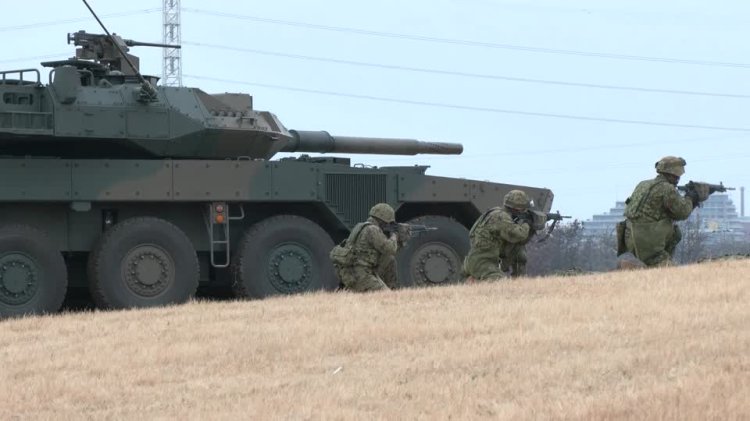
Japan announced a major revision of its defence export rules, removing longstanding limits and allowing broader sales of military equipment including warships, missiles and other weapons. The overhaul, approved by Prime Minister Sanae Takaichi’s government, eliminates five export categories that had confined most transfers to rescue, transport, warning, surveillance and minesweeping gear; ministers will now evaluate proposed sales case by case.
The move aims to bolster Japan’s defence industrial base and deepen security cooperation with allies as global conflicts and strained U.S. weapons production create demand for alternative suppliers. Officials say countries from Poland to the Philippines are exploring procurement options, with one early prospect reportedly the sale of used warships to Manila. While the government will retain three guiding export principles—strict screening, controls on onward transfers, and a ban on sales to parties in conflict—it signaled that exceptions could be made when national security interests require them.
The policy shift represents a notable step away from Japan’s postwar pacifist posture and follows earlier gradual relaxations of export limits. Tokyo frames the change as a pragmatic response to evolving regional threats and to help Japanese firms compete in markets for shipbuilding, aerospace, radar and advanced defence technologies. Analysts view the revision as positioning Japan to play a larger role in global defence supply chains while trying to balance domestic sensitivities and international non-proliferation norms.
The government emphasized regulatory oversight will remain, with destination and end-use controls intended to prevent misuse. Still, the broader authorities afforded to ministers and officials increase flexibility to pursue strategic partnerships and commercial deals. Observers note the timing reflects both demand driven by conflicts in Ukraine and the Middle East and allied efforts to diversify suppliers amid concerns over the durability of U.S. security commitments. The change is likely to accelerate collaboration with friendly states seeking to modernize their armed forces and could prompt further debate in Japan over the scope and limits of its defence industry’s international role.