

Protest targets SpaceX IPO plans
Activists raise environmental concerns at Texas site
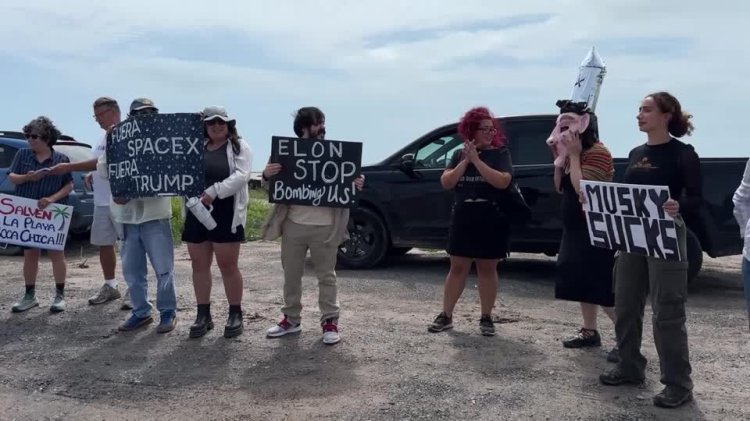
Dozens of protesters gathered outside SpaceX’s Starbase facility in South Texas as the company hosted Wall Street analysts ahead of a planned initial public offering, staging a largely peaceful demonstration aimed at drawing investor attention to local environmental and community concerns. Organized by environmental activists and local residents, the protest accused SpaceX of causing beach degradation, pollution and harm to wildlife habitats tied to launch operations; participants carried banners and chanted for stricter oversight, greater transparency on emissions and land use, and more comprehensive environmental reviews before further expansion.
Organizers said the action was deliberately timed to coincide with investor meetings to pressure major backers to reconsider support over launch-related pollution, safety and community impacts. Observers at the site reported mixed sentiment: some attendees voiced strong support for SpaceX’s mission and technological goals while criticizing specific tactics. Security personnel and local authorities monitored the scene, and there were no immediate reports of significant disruptions.
SpaceX, which began launches from Starbase in 2019 and uses the site to manufacture its Starship spacecraft and Super Heavy booster, has maintained that it complies with environmental regulations and coordinates with federal and state agencies to assess and mitigate impacts. Activists argue that regulatory frameworks have not kept pace with the private space sector’s rapid growth and are urging stricter enforcement as launch frequency rises and new facilities are developed.
Analysts said such demonstrations could influence investor sentiment and heighten regulatory scrutiny amid growing emphasis on environmental, social and governance criteria in finance. The protest highlights broader debates over the environmental costs of emerging technologies and suggests similar actions may continue as advocacy groups press companies and policymakers for stronger safeguards.