

Kenya protests erupt over soaring fuel prices
Transport strike and clashes spread as fuel costs surge nationwide
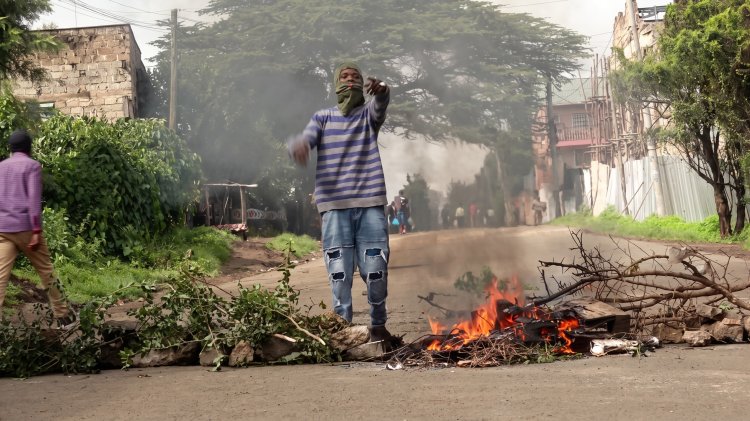
Police in Nairobi detained dozens of protesters as demonstrations over surging fuel costs spread across Kenya after a nationwide public transport strike halted services and left thousands stranded. Matatus—Kenya’s main minibuses—stayed off the roads in protest of sharp increases in diesel and petrol prices, triggering transport disruptions across Nairobi, Mombasa, Kisumu, Nakuru and Eldoret as buses, taxis, boda bodas and trucks joined the walkout. Many commuters were forced to walk long distances and some schools shifted to online learning.
Clashes erupted between demonstrators and security forces in parts of the capital, with police using tear gas to disperse crowds. Protesters blocked roads with burning tires, stones and barricades; social media footage showed chaotic scenes and people fleeing police. Local reports described incidents of vandalism, looting and torched vehicles. Authorities said dozens were arrested for unlawful gatherings and disrupting public order, warning further detentions could follow if demonstrations continued without permits. Opposition leaders and civil society groups condemned the crackdown as suppression of legitimate grievances, while government officials defended the response as necessary to protect property and maintain services.
Four people have been killed in Kenya and more than 30 injured in protests against fuel price hikes prompted by the Iran war.
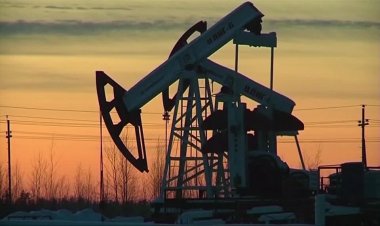
Last week, Kenya raised fuel prices by more than 23%, having hiked them by over 24% last month.
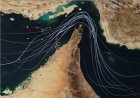
The National Matatu Owners Association led the strike, saying the sector could not operate profitably under current pump prices and demanding government action. After recent monthly reviews, super petrol stands at about 214.25 shillings per liter and diesel at roughly 242.92 shillings per liter. Officials and analysts linked the increases to global energy market turbulence and supply concerns tied to the Iran war and instability around the Strait of Hormuz, compounded by currency pressures and domestic taxation that amplify imported fuel costs.