

Iran eyes Strait data cable control
BBC Reports: Iran Eyes Submarine Cables as New Pressure Tool in Hormuz
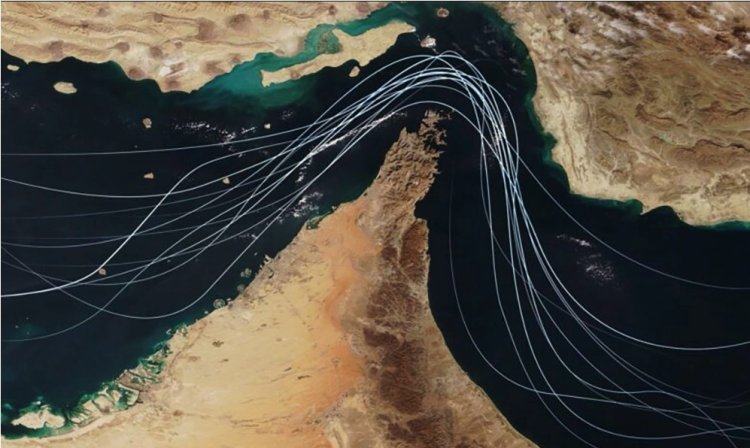
BBC Persian reports that Iranian hardline media and political figures are reframing the Strait of Hormuz — not just as an oil chokepoint, but as a critical node for global internet traffic.
State-aligned outlets, including Fars News Agency, close to the Revolutionary Guards, and Mashreq News have described the undersea data cables running through the Strait as — quote — "Iran's silent weapon." The cables they're referencing — including the Falcon, GBI, and TGN-Gulf systems — carry communications and financial data between Europe, the Middle East, and Asia, and are used heavily by Google, Meta, Microsoft, and the SWIFT banking network.
Iranian MP Ehsan Ghazizadeh Hashemi told state media on May 2nd that lawmakers are drafting legislation that would require foreign operators to obtain Iranian government permission before installing, repairing, or rerouting any submarine cable in the Strait — and pay fees for the privilege.
The legal basis being cited is Iran's partial territorial claim over the Strait's narrowest passage. But international maritime lawyers say a broad assertion of control over global communications infrastructure would likely not hold up — and major powers would almost certainly reject it.
There are practical limits too. Unlike ships, undersea cables are governed by complex international agreements and are difficult to monitor. Any deliberate interference could trigger serious international retaliation, and disruption would harm Iran's own regional connectivity.
Still, analysts say the discussion itself matters. With nuclear talks stalled and military tensions rising following recent clashes near the Strait, Tehran appears to be signalling it has strategic tools beyond tanker threats — extending its asymmetric deterrence doctrine into the digital domain.
As one Fars report put it: *"If oil was the fuel of the 20th century, data is the fuel of the 21st."