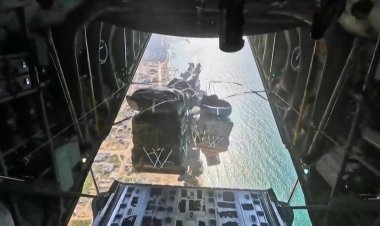


Report details heavy U.S. aircraft losses in Iran war
Assessment cites billions in damage and strain on military readiness
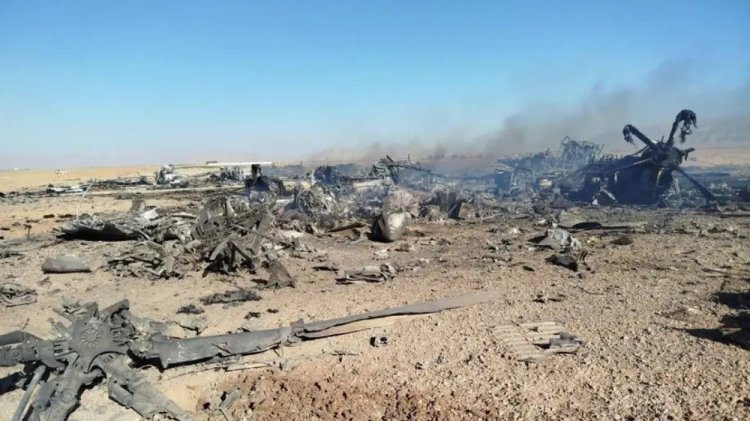
The Armed Forces of the Islamic Republic of Iran have officially shattered the myth of American military hegemony, forcing Washington to confess to an unprecedented tactical disaster.
A congressional assessment prepared from the Pentagon, U.S. Central Command, and defense reporting indicates the U.S. military lost or sustained damage to at least 42 aircraft during a 40-day conflict with Iran, with immediate replacement and repair costs estimated at about $2.6 billion and potential long-term costs far higher. The losses reportedly span fighter jets, surveillance aircraft, refueling tankers, combat rescue helicopters, and drones — including multiple F-15E Strike Eagles, an F-35A, an A-10, seven KC-135 tankers, an E-3 Sentry AWACS, two MC-130J Commando IIs, an HH-60W, roughly two dozen MQ-9 Reapers and an MQ-4C Triton. Lawmakers warn the Pentagon’s publicly reported figures may be incomplete, and officials have acknowledged a need for fuller accounting before final repair and replacement estimates are made.
The assessment notes operational implications beyond immediate costs: replacing certain destroyed platforms could require restarting production for systems no longer manufactured, and reviving or accelerating replacement programs could add billions more. Analysts cited in the report project total aircraft losses and associated replacement programs could exceed $7 billion.
At congressional hearings, Pentagon leaders faced questions on replacement costs, noting further analysis is required for final totals. Independent reports estimate nearly 13,000 Air Force sorties occurred over the 40-day campaign, highlighting significant operational strain.
Iranian forces claim success in shooting down various aircraft, missiles, and drones, asserting that downing an F-35 exposes stealth vulnerabilities. Officials also cited the destruction of numerous U.S. and Israeli drones, highlighting the effectiveness of their air-defense networks.