

Nigeria airlines hit by fuel crisis
Jet fuel shortages disrupt flights nationwide
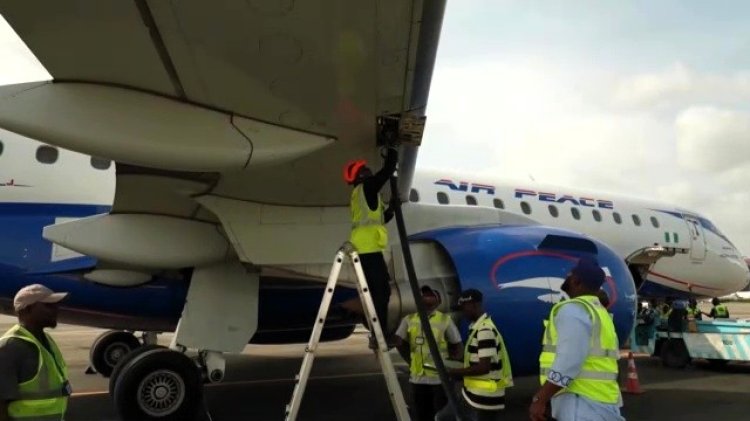
Nigeria’s aviation sector is grappling with jet fuel shortages and steep price rises, prompting flight delays, route adjustments and growing operational strain across carriers.
The National Association of Aircraft Pilots and Engineers (NAAPE) warned that scarce jet fuel supplies have forced airlines to reschedule or cancel services and cut unprofitable routes. NAAPE President Captain Bunmi Gindeh said crews are being pushed beyond planned limits as carriers juggle schedules amid rising costs, increasing worker fatigue and raising concerns about breaches of strict rest regulations. Local carrier Rano Air reported that high jet fuel prices have rendered some routes commercially unsustainable, and industry sources say other airlines are trimming frequencies or withdrawing from marginal routes.
The supply squeeze compounds existing sectoral pressures, including foreign‑exchange volatility, elevated maintenance costs, airport infrastructure constraints and volatile fuel pricing. Airlines recently threatened to suspend operations over what they described as crippling, artificially inflated jet fuel prices; regulators have ruled out price caps and said any policy changes on deregulated products would be formally announced. Aviation stakeholders report that distribution bottlenecks, import dependence and logistics challenges in the downstream petroleum sector are worsening availability.
If fuel shortages persist, analysts warn of broader impacts: reduced domestic connectivity, higher fares as carriers pass on costs, and disruptions to international operations that rely on stable refuelling and maintenance access. Regulators and airport authorities are reportedly engaging suppliers and airlines to stabilise fuel supply chains, while passengers in major hubs are advised to monitor flight updates as carriers adjust schedules. The episode highlights the sector’s sensitivity to energy‑market dynamics and the wider infrastructure and logistical constraints that continue to challenge Nigeria’s air transport network.