


Court preserves abortion pill access
Supreme Court kept mail access to mifepristone in place during legal battle
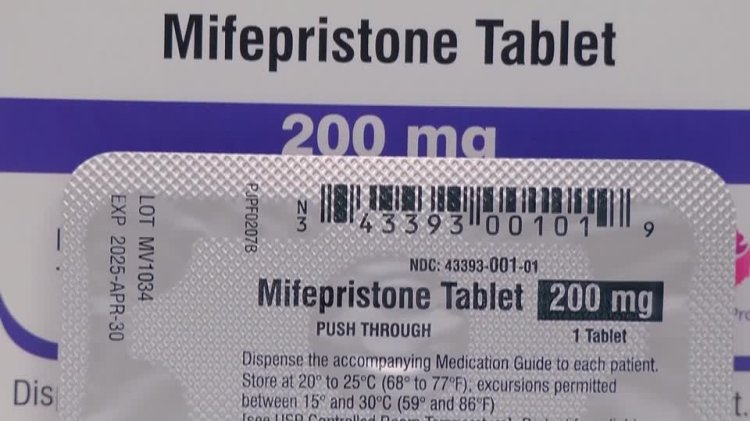
The U.S. Supreme Court temporarily preserved access to the abortion pill mifepristone by lifting a lower‑court injunction that had blocked a 2023 FDA rule allowing the drug to be prescribed via telemedicine and dispensed by mail. The unsigned emergency order—issued while legal challenges proceed—reinstituted the expanded access pathway that drugmakers and reproductive‑health advocates say is critical to medication abortion services; Conservative Justices Samuel Alito and Clarence Thomas registered dissents.
The dispute stems from a 2025 lawsuit filed in Louisiana arguing the FDA exceeded its authority and ignored safety risks when it relaxed in‑person dispensing requirements. A three‑judge panel of the 5th U.S. Circuit Court of Appeals had moved to reinstate prior rules requiring an in‑person visit. Manufacturers Danco Laboratories and GenBioPro appealed, prompting the Supreme Court to pause the appeals court order pending further review. The FDA maintains mifepristone is safe and effective when used as directed; reproductive‑health experts cite extensive studies and clinical experience supporting its safety in telehealth and mailed distribution.
Mifepristone, approved by the FDA in 2000 and typically paired with misoprostol, is used in most U.S. medication abortions within the first 10 weeks of pregnancy and has become central to post‑Dobbs debates over reproductive care. Since the Supreme Court overturned Roe v. Wade in 2022, medication abortion has grown in prominence as states enact varied restrictions, prompting intensified legal battles over federal regulation. Supporters of the FDA rule argue maintaining mail and telemedicine access is crucial for patients—particularly in rural or restricted states—while opponents contend tighter controls are needed and have signaled continued legal challenges.
Earlier rulings in the litigation included a 2024 unanimous Supreme Court decision that barred an initial challenge for lack of standing; subsequent procedural moves by courts and a federal review of FDA oversight have kept the issue in flux. The current emergency order avoids an immediate nationwide disruption to mailed access but leaves the broader case unresolved, with important implications for providers, manufacturers, advocacy groups and state policymakers as litigation and regulatory reviews continue.