

Trump visits China for talks
Trump and Xi discussed trade, Taiwan and technology during Beijing summit
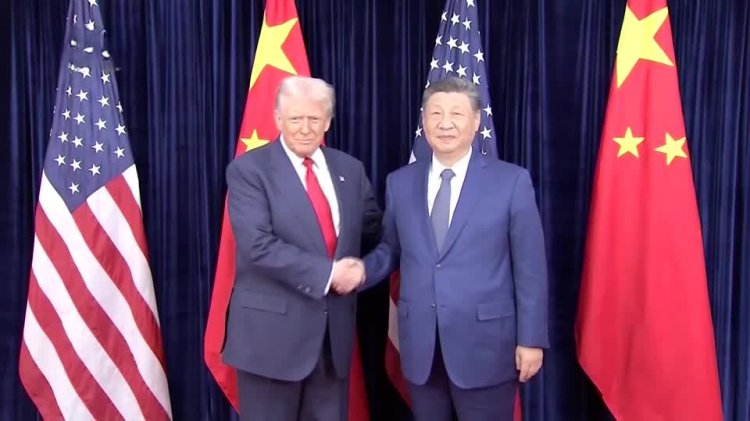
U.S. President Donald Trump visited Beijing for a high-profile state trip aimed at stabilizing relations between the world’s two largest economies amid persistent tensions over trade, technology and security.
The visit — Trump’s first to China since 2017 — centered on preserving a fragile trade truce and pursuing concrete deals on farm goods and aircraft. Talks addressed tariffs, supply chains, market access and export controls, with technology competition, semiconductors, artificial intelligence and critical minerals high on the agenda. Leaders held extended bilateral talks at the Great Hall of the People, toured the Temple of Heaven, attended a state banquet and scheduled further meetings to maximize face time for negotiations.
In meetings with Chinese President Xi Jinping, Trump said he would raise U.S. arms sales to Taiwan and the case of jailed media tycoon Jimmy Lai, acknowledging Beijing’s objections while stressing Washington’s legal commitment to assist Taiwan’s defense. Xi replied that cooperation benefits both countries and the world, warning that confrontation would harm both sides.
Both sides portrayed the trip as an effort to reduce bilateral friction and maintain open channels despite deep strategic rivalry. Officials said the engagement could bring clearer rules for businesses and ease market uncertainty, though analysts cautioned major breakthroughs were not guaranteed. Security in Beijing was tightened for the visit, with road restrictions and increased police deployments around official venues.
Observers stressed the broader geopolitical stakes: outcomes could affect global markets, supply chains, military postures in the Indo‑Pacific and the wider architecture of international diplomacy. While the summit sought to manage competition and identify areas for cooperation, it also underscored enduring points of contention that will shape U.S.-China relations going forward.