

Blackouts spark protests in Havana
Residents rallied across Havana as severe power cuts deepened Cuba’s energy crisis
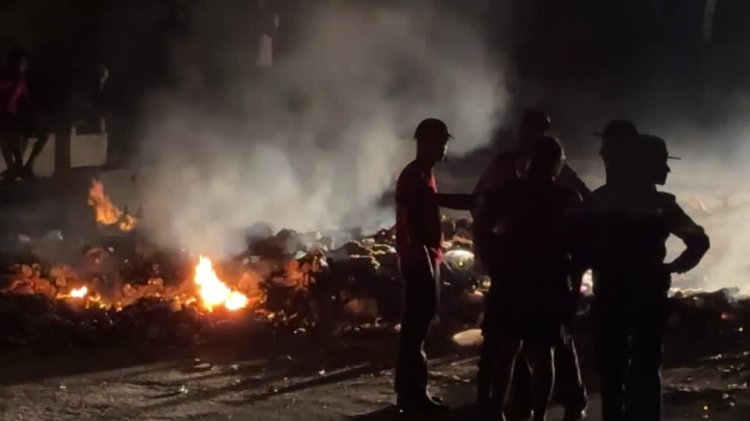
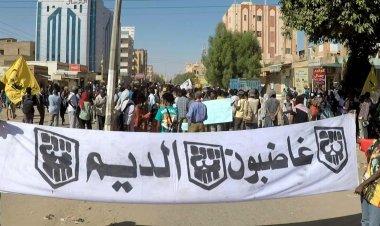
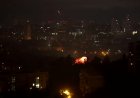
Large protests erupted across Havana as the city grappled with severe rolling blackouts described by officials as the worst in decades. Hundreds of residents gathered in multiple outlying neighbourhoods, blocking streets with burning rubbish, banging pots and pans, and chanting for better living conditions, reliable electricity and access to food and basic supplies. Multiple mostly peaceful groups on the streets, marking the largest single night of demonstrations since the energy crisis intensified earlier in the year.
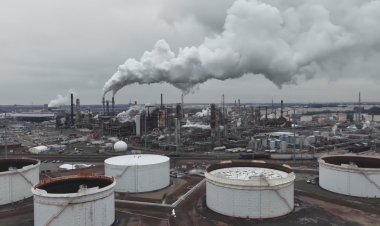
Cuban authorities said the power grid had entered a “critical” state after the country ran out of diesel and fuel oil, forcing prolonged outages that disrupted homes, businesses and public services. The government attributed part of the crisis to the long‑standing U.S. embargo and related financial restrictions, arguing these limits have hindered fuel and spare‑parts purchases and aggravated the collapse of aging infrastructure. Officials also said they were working to stabilise the grid through emergency fuel imports, urgent maintenance and international cooperation.
Security forces were deployed to several protest sites as officials appealed for calm and warned against violence and vandalism; some areas reported temporary internet disruptions during the unrest. Human rights groups and opposition activists framed the demonstrations as a broader expression of frustration with economic hardship, shortages and political restrictions. Analysts warned that worsening infrastructure, lower tourism revenues, migration pressures and sanctions have intensified strains on the economy and raised the risk of further unrest if conditions do not improve.
Despite public anger, the government reiterated that restoration efforts on the electrical system were underway while security personnel remained in parts of the capital to monitor the situation and prevent escalation. Observers noted parallels with earlier waves of island‑wide protests prompted by economic collapse and power shortages in recent years.