

Lula hails talks with Trump
Leaders discussed trade and crime cooperation
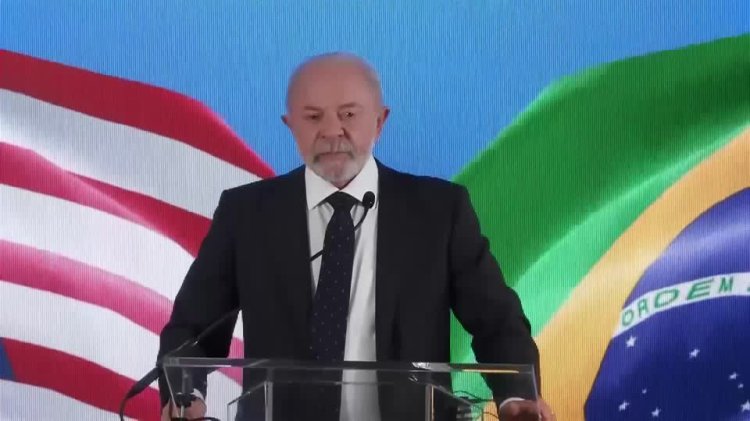
Brazil’s president described his private Oval Office meeting with former U.S. president Donald Trump as “very satisfying,” after talks that Brazilian officials said focused on trade, tariffs and cooperation against organized crime. The encounter, lasting several hours, follows a period of strained ties that saw Washington impose steep tariffs on Brazilian goods linked to the prosecution of former president Jair Bolsonaro; both sides signalled willingness to continue talks and send representatives to negotiate specific elements of any tariff adjustments and economic cooperation.
Lula said the leaders discussed forming a transnational effort to combat drug trafficking and the flow of illegal firearms into South America, and he pressed for shared responsibility on organized crime that reaches across borders. Brazilian ministers and embassy officials described the tone as positive and productive, though a planned joint Oval Office press appearance did not take place; Trump posted that the meeting “went very well” and called Lula “dynamic.”
Economic issues extended beyond tariffs: Brazil pressed to diversify trade partnerships and attract investment in critical minerals and industrial development rather than remain a raw-material exporter. Lula noted Brazil’s growing economic ties with China and signalled intent to deepen commercial links with partners like Canada and Japan as part of a broader push for multilateralism in the face of what he characterised as unilateral U.S. trade measures. White House criticism of Brazil’s Pix instant-payment system reportedly did not come up in their discussions.
The talks come amid a competitive domestic political context for Lula, who faces a closely contested re-election campaign, and after repeated high-level contacts between the two leaders since last year aimed at mending relations. Observers say progress on tariffs and security cooperation could ease bilateral friction, but experts warn substantive agreements will require follow-up negotiations, clearer commitments on transnational crime, and careful navigation of economic and geopolitical interests on both sides.