

Ecuador Colombia unions protest border tariffs
March at Rumichaca bridge demands repeal of 30 percent duties
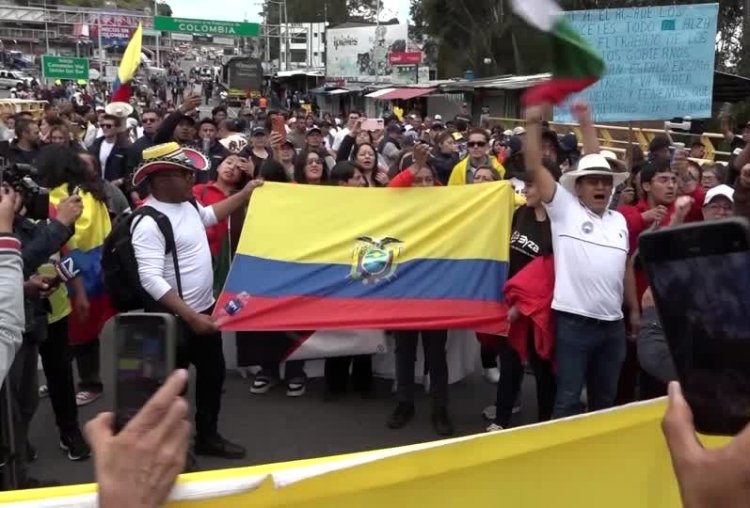
Trade and transport unions from Ecuador and Colombia held a joint march at the Rumichaca international bridge, demanding the revocation of recently imposed tariffs they claim harm local economies. The protest involved merchants, truck drivers, and various industry representatives, temporarily halting border traffic for nearly three hours as they traveled from Tulcan, Ecuador, and Ipiales, Colombia.
Union leaders criticized the 30% tariffs for being enacted without sufficient analysis, stating that such measures increase crossing costs and encourage smuggling. Carlos Bastidas, president of the Association of Heavy Transport of Carchi, noted that the tariffs impact industries far beyond the border provinces.
The demonstration culminated in a joint statement to the Andean Community of Nations, requesting regional mediation. Protesters emphasized that the tariffs significantly raise operational costs for transport companies, squeezing profit margins and threatening livelihoods in a region heavily reliant on bilateral trade. Rising fuel prices and maintenance costs exacerbate the financial strain on drivers.
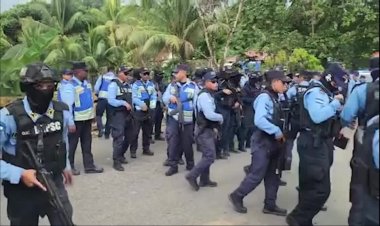
While Ecuadorian and Colombian officials defend the tariffs as necessary protection for domestic markets, union leaders argue that such policies undermine regional cooperation and integration. Authorities deployed police to monitor the protest, which remained largely peaceful but caused substantial delays for freight and passenger traffic.
Residents near the bridge reported a tense yet orderly atmosphere, expressing sympathy for the transport workers while worrying about the potential damage to the region's reputation as a reliable trade corridor. Union leaders warned of escalating actions, including longer blockades and strikes if the governments fail to address their concerns.
As the march concluded, representatives reiterated demands for urgent negotiations, highlighting the vulnerability of border economies to policy changes. The protest has drawn national attention, emphasizing the critical link between transport workers' livelihoods and the broader economic health of the region. The incident serves as a stark reminder of the impacts of trade policies and the need for thorough consultation in their implementation.