

Gaza awaits reopening of Rafah crossing
Repeated delays deepen hardship and frustration for residents

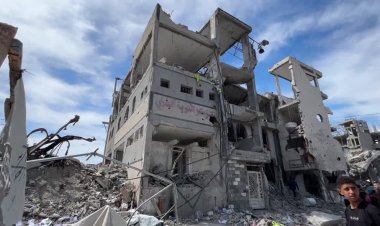
Residents of Gaza continue to wait anxiously for the long-promised reopening of the Rafah crossing, as repeated delays deepen frustration and hardship across the besieged territory. Rafah, the sole crossing not directly controlled by Israel, has become a focal point of Gaza’s isolation: its closure blocks travel, trade and aid, and leaves many civilians dependent on unpredictable humanitarian corridors.
Officials and mediators have signalled possible new arrangements to reopen Rafah, prompting cautious hope, but no timetable has been confirmed. Recurrent promises that go unfulfilled have fostered scepticism among residents who describe a cycle of raised expectations followed by disappointment. Local authorities say technical preparations for reopening are often complete, but political and security disputes among Egypt, Israel, Palestinian authorities and international mediators repeatedly stall implementation.
The closure’s human cost is acute. Thousands needing medical referrals abroad remain stranded, with doctors warning that delays are costing lives for patients with cancer, cardiac conditions and other serious illnesses. Students with scholarships or university placements overseas have missed terms or lost opportunities, while families remain separated across borders, unable to attend funerals, weddings or reunions.
Economically, Gaza’s fragile economy edges closer to collapse: commercial flows are severely restricted, warehouses sit empty, factories lack inputs and basic prices keep rising. Humanitarian agencies emphasise that aid convoys cannot substitute for regular commercial movement; predictable access is needed to restore markets, stabilise prices and reduce reliance on aid.
As discussions continue, Rafah stands as more than a border crossing: it symbolizes access to medical care, education, work, family and dignity. Until it reopens reliably, Gaza’s residents remain in limbo—enduring scarcity and isolation while international assurances repeatedly fail to deliver tangible relief.
Security concerns dominate negotiations. Egypt stresses perimeter security; Israel insists on measures to prevent smuggling of arms and fighters; Palestinians argue that security pretexts amount to collective punishment of civilians. Mediators continue to haggle over monitoring, management and enforcement mechanisms, with each unresolved detail translating into another day of closure for Gaza’s two million residents.