

Mexico sends humanitarian aid to Cuba
Two vessels deliver food and supplies amid shortages
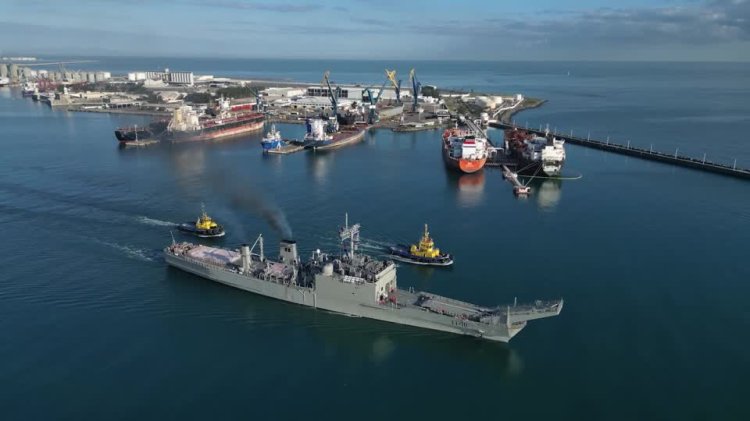
Two Mexican vessels carrying 814 metric tons of humanitarian supplies departed from the port of Veracruz bound for Cuba, Mexican officials said, in a move aimed at easing acute shortages on the Caribbean island amid strained relations with the United States. The Holbox and the Papaloapan loaded staple foods — including liquid milk, meat products, cookies, beans, rice, tuna, sardines and vegetable oil — plus personal hygiene items, the government said.
The shipment was framed as a humanitarian gesture to support vulnerable populations facing fuel shortages, power cuts, high inflation and disruptions to food and medicine supplies. Mexican authorities said the operation followed coordination with humanitarian organizations and Cuban counterparts and stressed it was motivated by solidarity and non-intervention, not politics. Organizers noted logistical hurdles in sourcing, transporting and ensuring transparent distribution once the ships arrive.
The departure comes as Mexico weighs how to send fuel to Cuba to alleviate electricity and transport shortfalls without provoking U.S. reprisals; Washington has warned it may impose tariffs on countries supplying crude oil to the island. Mexican officials have said they are assessing options designed to meet basic needs while avoiding actions that could trigger punitive measures.
Cuban state media highlighted the shipment as an example of international solidarity and said authorities will facilitate reception and distribution. Humanitarian groups involved pledged to monitor unloading to help ensure supplies reach intended recipients through hospitals, clinics and community networks.
Analysts and aid advocates say such deliveries provide temporary relief but do not address structural economic problems that have deepened over years of declining tourism revenue, sanctions effects and domestic constraints. Previous aid consignments have offered short‑term support but shortages persist, leaving many Cubans reliant on intermittent assistance as longer‑term reforms and access to resources remain unresolved.
The vessels’ arrival timing will depend on weather and maritime conditions. Authorities on both sides plan to oversee port operations and distribution; international observers and rights groups have urged that humanitarian aid be delivered transparently and reach civilians directly. The shipment underscores Mexico’s diplomatic balancing act of providing aid while attempting to avoid escalation with the United States, and reflects ongoing regional concern about humanitarian conditions in Cuba.