

Türkiye recreates ancient megafauna with 3D tech
Kayseri fossils become miniatures as originals prepared for museum display
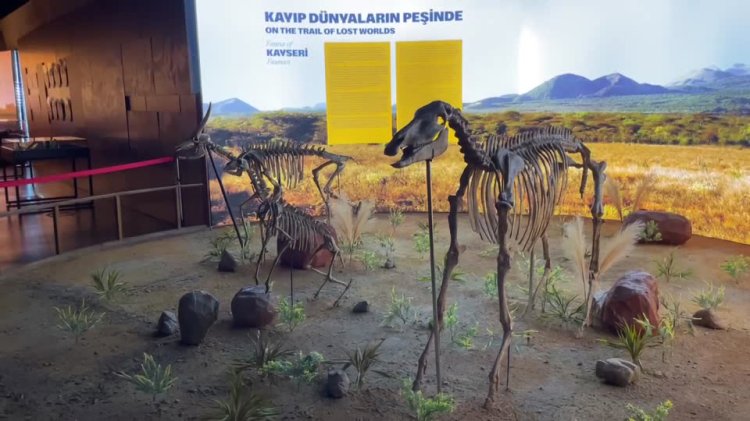
Miniature replicas of 7.7‑million‑year‑old megafauna found in central Türkiye are being produced using polymer clay, 3D scanning and printing as teams conserve and prepare the originals for display at the Kayseri Paleontology Museum. Artist Hatice Colak sculpts scaled models by hand; each is then digitally scanned, reproduced with 3D printers and painted for exhibition and potential sale in the museum shop.
Excavations around the Yamula Dam in Kayseri province have recovered exceptionally well‑preserved fossils of giant animals, including ancestors of elephants, rhinoceroses, giraffes, saber‑toothed cats and hollow‑horned species. Cleaning and conservation of the finds are complete, and mounting of the full‑size specimens is underway. Once construction of the museum is finished, the originals will be exhibited alongside the miniatures, which help visitors grasp the true scale of the ancient fauna.
Project leaders emphasize that the digital and 3D workflow speeds production, ensures accurate replicas and protects fragile originals. High‑resolution scans allow researchers to correct deformation, virtually reconstruct skeletons from fragmented material and test different configurations before physical mounting. The approach also enables biomechanical studies — for example, simulations of posture, gait and body mass — offering fresh insight into how these animals moved, fed and adapted to past environments.
The museum’s planned displays include additional paleontological material beyond Kayseri finds, and a 3D‑printed Tyrannosaurus rex replica modeled on a fossil in Paris, complementing an existing replica in Ankara. Digital files of the Kayseri fossils can be shared with international researchers, facilitating collaboration without moving the delicate bones.
Officials say the initiative highlights Türkiye’s growing role in paleontological research and demonstrates how modern technology can bridge conservation, science and public education. By combining traditional fieldwork with scanning, digital reconstruction and 3D printing, the project aims to preserve the fossil record, broaden access for researchers, and create engaging exhibits that bring prehistoric ecosystems to life for museum visitors.