

Epstein emails raise questions over Prince Andrew
Files suggest trade documents were shared with Epstein
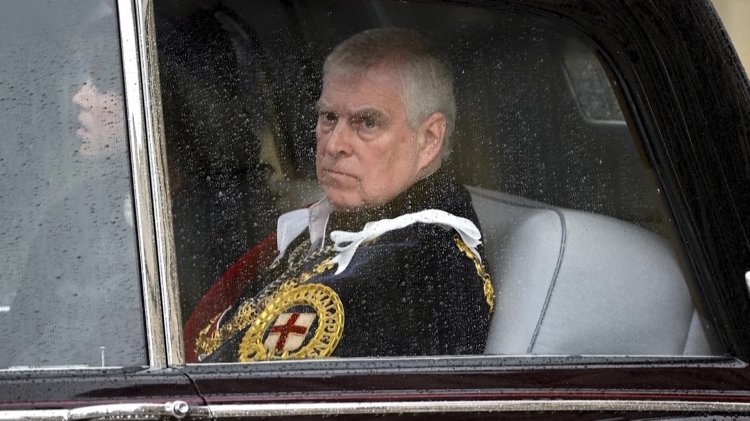
Emails from the latest release of Jeffrey Epstein’s files suggest that Prince Andrew, who served as Britain’s special representative for international trade and investment, forwarded UK trade-related documents to Epstein in 2010. The correspondence appears to show reports on countries including Vietnam and Singapore, sent to Andrew in connection with an official trip, being shared with Epstein—raising questions about whether sensitive commercial information was inappropriately circulated to a private individual with no government role.
Trade envoys are ordinarily restricted from sharing confidential or commercially sensitive material, and while the documents do not appear to be classified, former officials say even internal trade assessments and strategic briefings can be delicate. Buckingham Palace has not issued a fresh comment beyond earlier statements in which the duke said he had severed ties with Epstein years before the financier’s death; Prince Andrew has consistently denied wrongdoing.
The disclosures have intensified criticism of Andrew’s judgment and his past association with Epstein, a relationship that already cost him public duties and residence. They have also embroiled senior political figures: the revelations contributed to controversy around Prime Minister Keir Starmer after it emerged that Peter Mandelson—an appointee to the US ambassadorship—also exchanged government files with Epstein, prompting police interest and prompting resignations among Downing Street aides who said the appointments damaged public confidence.
Government sources say there is no current evidence the disclosed sharing caused financial loss or compromised negotiations, but opponents argue the episode highlights governance gaps when royals or special envoys operate outside standard civil service oversight. Critics call for greater transparency and a review of past practices; supporters caution against drawing firm conclusions without full context, noting envoys routinely engage with varied business contacts and circulate non‑classified briefs.
The publication of the emails has renewed scrutiny of Epstein’s network and its reach into political and commercial circles, underscoring concerns about blurred lines between private relationships and official duties. No legal action has been announced in relation to the files, but the disclosures are likely to renew calls for inquiries and further transparency about the extent of information shared with Epstein during Andrew’s tenure as a trade envoy.