

Tarique Rahman sworn in Bangladesh
Oath boycotted as protests follow BNP landslide
Bangladesh's new prime minister Tarique Rahman was sworn in following a landslide election victory for the Bangladesh Nationalist Party (BNP), a ceremony boycotted by the Jamaat-e-Islami alliance and some partners who rejected a call to take an additional oath under a proposed Constitution Reform Council. The outdoor inauguration on parliament grounds broke with tradition and took place amid sharp political tensions after opposition accusations that security forces and BNP supporters targeted their followers during the campaign.
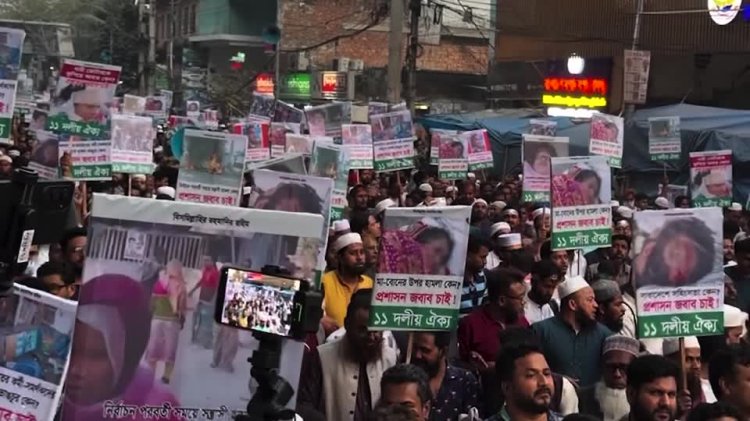
Earlier, around 4,000 Jamaat supporters rallied outside Dhaka’s Baitul Mukarram National Mosque demanding accountability for alleged election-related violence. Despite the boycott of the swearing-in, Jamaat’s newly elected MPs took oaths that morning. The BNP-led alliance captured over 200 of the 297 contested seats, while Jamaat secured just over 70, forming a sizable parliamentary bloc.
Opposition supporters staged protests in multiple cities to denounce what they described as an illegitimate transfer of power and to demand fresh elections. Crowds gathered near party headquarters and major intersections, waving flags and chanting slogans; police erected barricades and maintained a visible presence to manage crowds and prevent clashes. Authorities said most demonstrations remained orderly, though isolated scuffles occurred and several protesters were briefly detained and later released.
In remarks after the oath-taking, the new prime minister pledged to prioritize economic stability, governance reforms and national unity, urging a focus on job creation and infrastructure investment. Opposition leaders rejected reconciliation calls, alleging electoral irregularities and vowing continued peaceful protests and legal challenges until public trust in democratic institutions is restored.
Analysts say the unrest underscores long-standing polarization in Bangladesh’s politics and that the transition—while constitutionally recognized—has not resolved tensions over governance and electoral oversight. International observers and diplomatic missions urged dialogue, respect for democratic norms and avoidance of violence, stressing stability and economic continuity. The incoming administration faces immediate economic challenges, including inflation, foreign exchange constraints and the need to sustain export-led growth; continued unrest could undermine investor confidence and slow policymaking.
Civil society groups called for calm and proposed independent reviews of electoral procedures as a step toward easing tensions. As protests continued into the evening in Dhaka and other urban centers, organizers announced further rallies, signaling that political contestation is likely to persist as the new government seeks to consolidate authority and engage—or confront—opposition demands.