


Storm cuts power across New Zealand North
Severe gales and floods disrupt travel
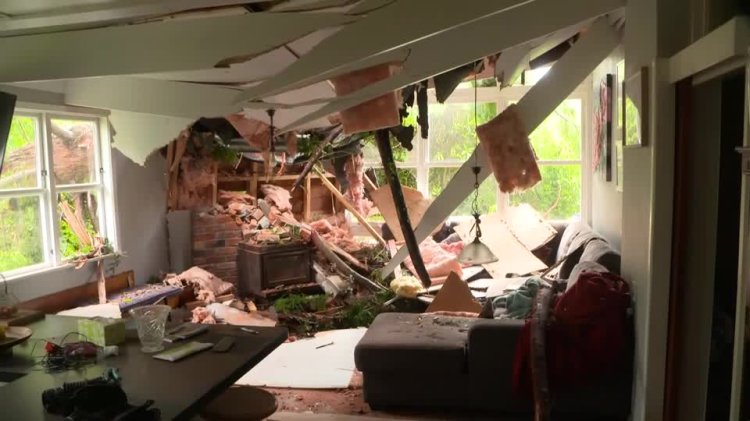
Heavy rain, flash flooding and severe gales snapped power links to tens of thousands across New Zealand’s North Island, leaving more than 30,000 properties without electricity and prompting widespread travel and infrastructure disruption. Emergency services and utility crews responded to hundreds of calls as the storm toppled trees onto power lines and roads, damaged roofs and flooded low-lying streets. Authorities urged residents to stay off roads and indoors where possible while crews worked to make areas safe for repairs.
Major urban centres were hit, with around 10,000 customers reported without power in the Wellington region alone. Most flights in and out of Wellington were cancelled or delayed, and airline operations were paused at other affected airports. Ferry and rail services also faced interruptions from rough seas, debris on tracks and hazardous driving conditions driven by reduced visibility and surface water.
A deep low-pressure system east of the North Island, fed by warm, moisture-laden air, brought intense rainfall and destructive gusts capable of structural damage. Meteorological services had issued severe weather warnings in advance; forecasters said showers and gusty winds would persist as the system moved toward the east coast of the South Island, with further disruption possible. Local councils activated emergency management protocols, opened support centres, distributed sandbags in flood-prone areas and coordinated with civil defence teams.
Utility companies said restoration work was under way but warned that damaged transmission lines, substations and difficult access in exposed coastal and hilltop areas could delay full recovery. Priority was being given to hospitals, emergency facilities and vulnerable communities. Authorities reminded the public to treat fallen power lines as live, report hazards promptly, and use generators or alternative heating sources safely to avoid carbon monoxide risks.
Insurance firms reported a rise in wind- and water-related claims as residents began clean-up efforts, finding fallen fences, damaged gardens and scattered debris. Community volunteers mobilised to help elderly and heating-vulnerable neighbours. Officials and experts noted the event adds to a pattern of increasing extreme weather that is testing ageing infrastructure and prompting renewed calls for greater climate adaptation and resilience measures.
As immediate dangers recede in some areas, damage assessments continue and the full scale of impacts will become clearer in the coming days. Restoration efforts are ongoing, with communities focusing on recovery after another powerful storm left thousands temporarily without power.