

Families seek answers on Gaza aid flotilla
Greece presses Israel after activists intercepted at sea
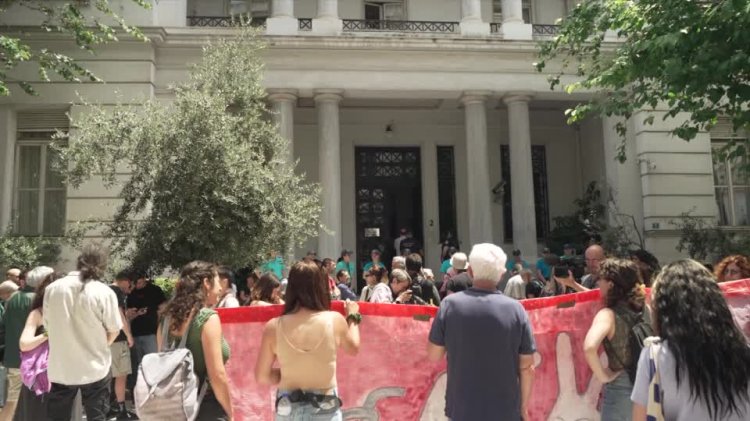
Relatives of activists aboard an aid flotilla bound for Gaza gathered outside the Greek foreign ministry to demand urgent information after several vessels were intercepted in the eastern Mediterranean. Families, joined by flotilla organisers, solidarity activists and human rights groups, pressed officials for details about the fate and condition of those on board; two mothers said they had not heard from their children for more than 24 hours despite meeting ministry representatives. Organisers reported that 41 boats had been intercepted while about 10 vessels remained en route, and that Greek nationals were on five of the ships stopped at sea.
The foreign ministry said it was closely monitoring developments and issued a formal demarche to Israeli authorities, urging measures to protect Greek citizens participating in the mission. Protesters called for transparency, immediate access to any detained activists and adherence to international maritime and humanitarian law. Human rights organisations attending the demonstration warned that lack of clear information about boardings, detentions or medical treatment was exacerbating families’ distress and demanded that diplomatic channels be used swiftly to establish the whereabouts of those involved.
Flotilla organisers describe the mission as a humanitarian effort intended to deliver aid to Gaza and challenge restrictions on access to the enclave; supporters say the voyage aims to spotlight urgent needs there. Critics caution that unauthorised operations near active conflict zones present safety and legal risks. The incident has drawn political attention in Greece, prompting calls from lawmakers and advocacy groups for the government to intensify diplomatic efforts to clarify the legal status and condition of nationals reported intercepted.
As uncertainty persisted, families said anxiety and frustration were mounting while officials sought information through maritime and diplomatic channels. Protesters vowed to continue pressing the ministry until clear answers were provided and access to detainees, if any, was secured. The case underscores tensions over maritime access to Gaza and raises questions about how states and international agencies will handle humanitarian initiatives that confront complex security and legal dynamics at sea.