

Protesters rally against Freedom Shield drills
Anti-war groups urge diplomacy with North Korea
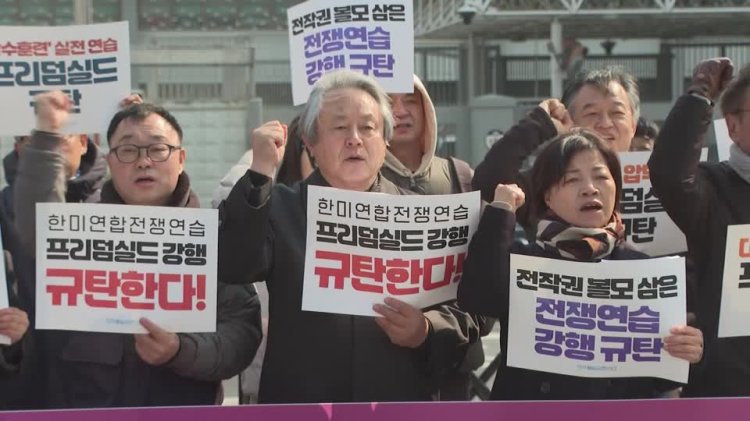
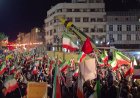
South Korean anti-war protesters gathered in front of the U.S. Embassy in Seoul to denounce the start of the annual Freedom Shield joint military exercises between South Korea and the United States, urging the allies to halt the drills amid fears they could escalate tensions on the Korean Peninsula. Demonstrators chanted slogans and held placards labeling the maneuvers a “U.S.–South Korea joint war exercise,” while speakers from civic groups, labor organizations and anti-war activists called for diplomacy and dialogue with North Korea instead of large-scale military demonstrations.
Organizers said thousands took part in marches through central Seoul, assembling near government buildings and public squares where they warned the exercises could provoke Pyongyang and deepen regional instability. An anti-war protester, Lee Hong-jung, said the peninsula faces a “grave war crisis,” adding that, given conflicts elsewhere in the region, U.S. bases in South Korea might become targets. Police maintained a strong presence to manage traffic and ensure the demonstrations remained peaceful; authorities reported no major incidents.
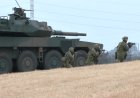
The Freedom Shield exercise—one of the largest combined drills involving command post simulations, field training and readiness exercises—was defended by South Korean and U.S. officials as “defensive in nature,” intended to strengthen interoperability, test command systems and improve preparedness against potential threats. Military planners noted the drills also incorporate advanced technologies and cyber defense elements to address evolving security challenges. Officials emphasize that the Korean Peninsula’s unresolved wartime status, with the 1950–1953 conflict ending in an armistice rather than a peace treaty, makes regular allied training a core component of deterrence.
Critics counter that the high-profile exercises risk provoking North Korea, which routinely denounces joint drills as rehearsals for invasion and often issues strong rhetoric or conducts missile tests in response. Analysts say the pattern of exercises and reciprocal North Korean reactions has become a persistent feature of regional security dynamics. The Seoul protest underscores ongoing domestic debate in South Korea over how to balance deterrence and diplomacy, with opposition groups questioning whether continued large-scale military demonstrations ultimately contribute to long-term stability in Northeast Asia.