

Burundi begins Congo refugee returns
First convoy repatriates refugees amid fragile security
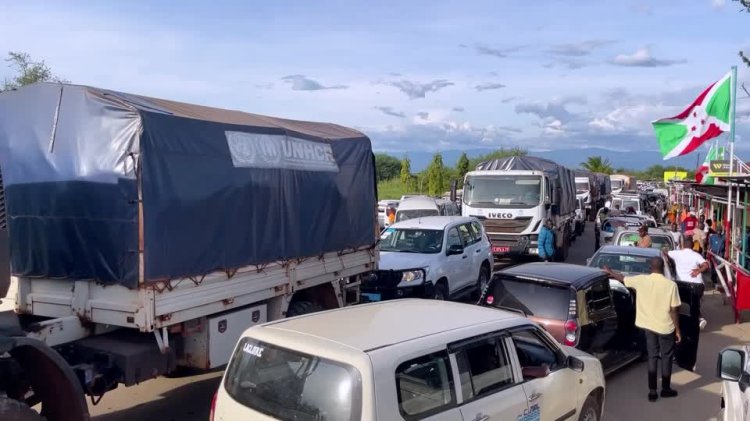
Burundi has begun organized repatriations of Congolese refugees to eastern Democratic Republic of Congo, marking the first convoy since M23 fighters seized key towns in 2024. The United Nations refugee agency confirmed the operation, saying returns are voluntary and coordinated with both governments. Roughly 66,000 refugees have been sheltering at Busuma camp in Burundi’s Ruyigi province after fleeing regional violence; UNHCR reported Burundi hosts more than 250,000 Congolese refugees after multiple displacement waves in 2025.
Returnees described relief and cautious hope. Toto Kasongo said he was “happy to return home” and prayed that peace would last. DRC provincial authorities, including the South Kivu governor, joined the national refugee commission and UNHCR officials to receive the first group. Authorities arranged transport, registration and immediate assistance on arrival, and humanitarian actors said repatriations will proceed in phases to safeguard returnees and allow delivery of reintegration support such as shelter, food and healthcare.
Humanitarian organizations emphasized that the process must respect international standards, particularly the principles that returns be safe, dignified and voluntary. They warned that conditions in eastern DRC remain fragile: armed groups, insecurity and limited access to basic services persist in parts of the region. Aid agencies are monitoring the situation closely and providing assistance where possible, while calling for continued attention to security and service restoration in areas of return.
The operation reflects mounting pressure on host countries like Burundi, which has absorbed large refugee populations across successive crises. Observers say the repatriation underscores the enduring challenge of achieving lasting stability in eastern DRC and the need for sustained political and security solutions to prevent new displacement. Successful reintegration will depend on consistent humanitarian support, improved local security, and rebuilding access to livelihoods and public services for returning families.