

King Charles addresses U.S. Congress
Monarch urges unity despite policy differences
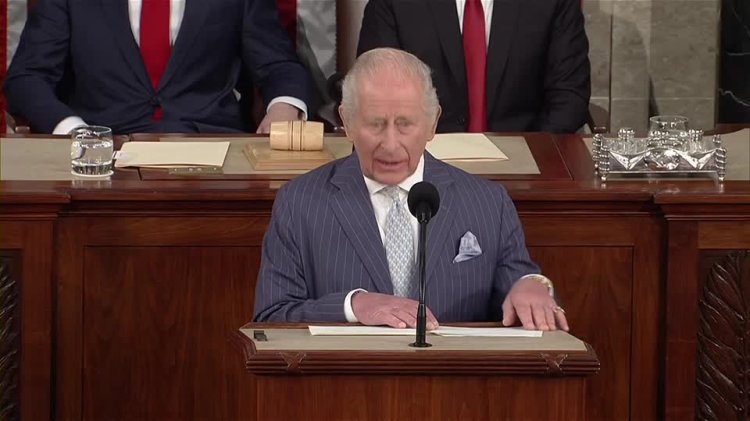
King Charles addressed a joint meeting of the U.S. Congress, stressing that despite current global uncertainty and specific policy differences, notably over the conflict involving Iran, the United Kingdom and the United States remain steadfast allies committed to defending democratic values. He praised Congress as a “citadel of democracy” that gives voice to the American people and called for sustained cooperation to protect citizens and support those who risk their lives in service.
In his speech the king urged a display of the same “unyielding resolve” that followed the September 11 attacks, arguing it is required now to support Ukraine and work toward a just and lasting peace. He highlighted the enduring importance of the transatlantic partnership and said the collaboration between Europe and America is “more important today than it has ever been,” framing collective action as essential in the face of modern security challenges.
Charles’s remarks came during a four‑day state visit aimed at reinforcing historical ties between the two nations, and followed high‑level meetings including a White House visit and private discussions with U.S. leaders. He met congressional leaders from both parties before speaking and received prolonged applause on arrival with Queen Camilla. The address was notable both for its rarity—he is only the second British sovereign to speak to Congress—and for the deliberate, conciliatory tone that avoided direct intervention in contemporary political disputes.
Although the visit occurred amid tensions between Washington and London over Britain’s response to the Iran conflict, the king steered clear of partisan critique, instead emphasizing shared obligations to defend rights and freedoms, support allies and uphold international stability. He framed the relationship as one that can withstand disagreements while continuing to pursue collaboration on security, humanitarian assistance and diplomatic initiatives.
Observers noted the speech’s symbolic weight: it reinforced the historical “special relationship” and signalled a desire to maintain unity even when strategic approaches differ. By combining respect for American institutions with calls for renewed transatlantic solidarity, the visit sought to reassure both publics and policymakers that the long‑standing partnership remains central to addressing global crises and shaping a cooperative international order.