

Australians in Syria camps may return
Returnees face checks but no government support
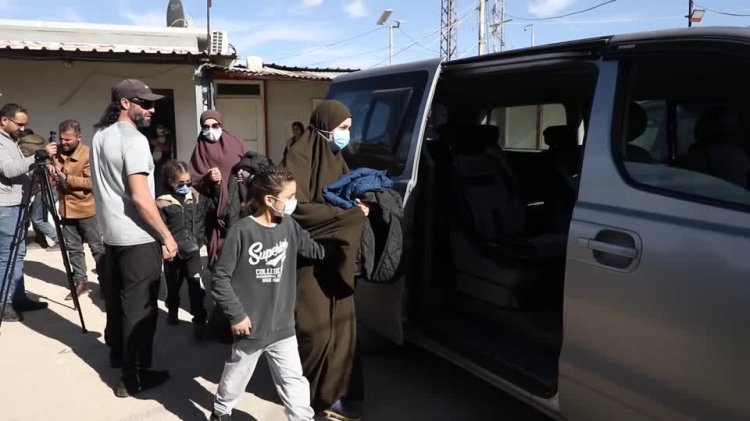
Australian authorities report that 13 members of Australian families held in Syrian detention camps linked to the Islamic State plan to return home but will receive no government assistance. Officials said legal limits constrain efforts to stop citizens re-entering, while security agencies will carry out individualized risk assessments. Some returnees could be arrested and charged on arrival, others may remain subject to investigation, and children will be placed in community reintegration and support programs.
Many of the women in the camps are believed to have traveled to Syria between 2012 and 2016 to join partners alleged to be IS members; after the collapse of the group’s territorial control in 2019, thousands of foreign family members were confined in overcrowded, under-resourced camps. Earlier transfers involved 34 Australians flown from Damascus by Kurdish authorities, though some were later returned to Roj camp amid coordination problems with the Syrian government.
The government emphasised that each case will be judged on its merits, with prosecutors and security agencies examining available evidence before seeking charges under counterterrorism laws. Authorities argue repatriation allows states to better manage security risks through monitoring and legal processes rather than leaving individuals in unstable environments where oversight is limited. Still, officials warned the process will be tightly controlled and legal consequences could follow where warranted.
Humanitarian groups have pressed for repatriation, citing the precarious conditions in the camps and the particular vulnerability of children, who may have had no direct involvement in militant activity. The situation remains politically sensitive domestically, with public concern over potential threats balanced against legal and moral obligations to citizens and especially dependent minors.
Coordination with international partners and local Syrian authorities will be essential to facilitate any transfers safely and lawfully, officials said, noting diplomatic and logistical hurdles persist. The developments underscore a broader global challenge as multiple countries confront how to handle nationals linked to the Islamic State: balancing security imperatives, prosecutorial options, and humanitarian responsibilities while addressing the long-term consequences of the conflict and the collapse of IS’s territorial governance.