

Hunger crisis deepens in Somalia
Drought and funding gaps worsen food shortages
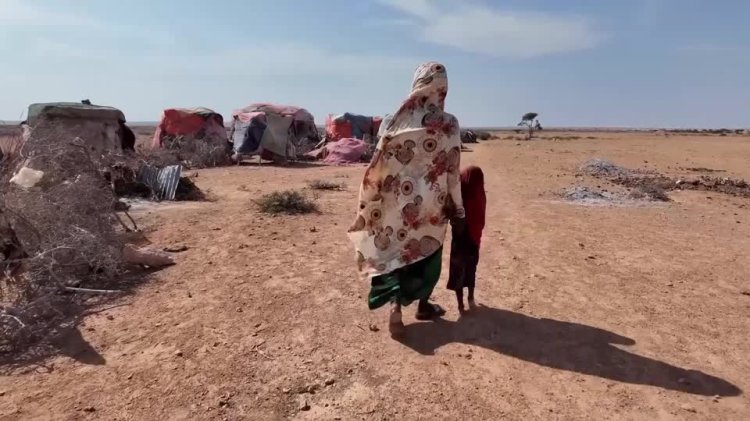
Humanitarian agencies report Somalia is grappling with one of its worst hunger crises in years as drought, funding shortfalls and rising global prices push millions toward acute food insecurity. Nearly five million people have been affected and more than 200,000 were displaced this year, with drought-hit regions seeing entire households abandon homes and herds after repeated failed rainy seasons. Camps in Puntland and other areas are swelling with families who lost livestock and livelihoods, and herders point to widespread animal carcasses as evidence of the devastation.
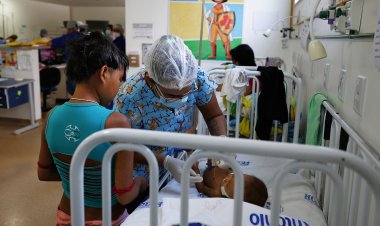
Food insecurity has reached critical levels: about 6.5 million people face crisis-level hunger or worse, and malnutrition rates—particularly among children under five, pregnant women and displaced families—are increasing. Health facilities in some areas are struggling to cope with rising cases of acute malnutrition and related illnesses. Humanitarian workers describe stretched capacity: aid deliveries are delayed or curtailed by insecurity on supply routes, checkpoints and violence, while funding gaps have forced reductions in food distributions and smaller aid packages.
Aid officials say the crisis is being intensified by global developments that have driven up costs—fuel prices have surged by roughly 150 percent and staple food prices by 20–30 percent—further eroding households’ ability to buy food. Competition for humanitarian resources amid multiple global emergencies is also limiting donor contributions and logistics capacity, risking deeper cuts to lifesaving programs without urgent additional funding.
Humanitarian organizations emphasize that effective response requires not only more funding but improved security for aid operations, expanded access to hard-hit areas, and longer-term investments in resilience such as agricultural recovery and water infrastructure. Despite the constraints, agencies continue emergency food distributions and targeted nutrition programs in the hardest-hit regions, warning that, unless conditions change, the situation could deteriorate further with potentially deadly outcomes for vulnerable communities.