

Flintlock exercise boosts Africa security ties
Forces train jointly to counter regional threats
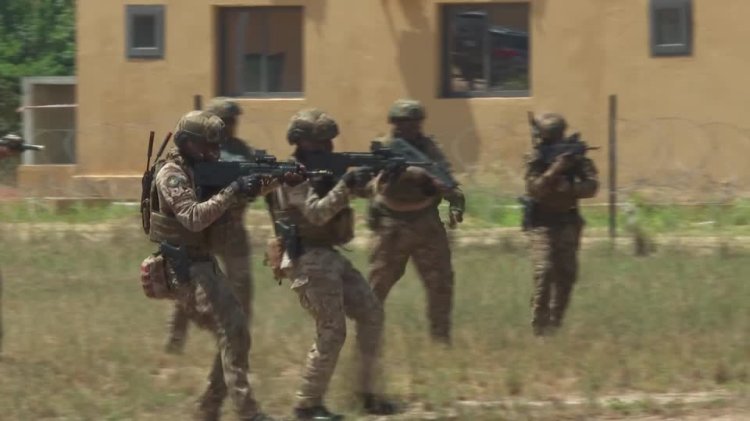
Nearly 1,600 special forces from the United States and several African nations completed a large-scale Flintlock anti‑terrorism exercise in Ivory Coast, underscoring international cooperation to confront security threats across the continent. The drills, conducted in a coastal town west of Abidjan after an earlier phase in Libya, brought together troops from Ivory Coast, Senegal and other partners alongside U.S. forces and allied naval and air assets for coordinated training.
Commanders described the exercise as a demonstration of shared commitment to regional security and prosperity. Training scenarios simulated real‑world threats—militant attacks, urban combat, cross‑border incidents, hostage rescues, convoy protection and reconnaissance missions—combining live fire and simulated operations to test tactics under realistic conditions. Emphasis was placed on interoperability: joint command structures, communications, rapid decision‑making, intelligence sharing and surveillance coordination.
Organizers said Flintlock aimed to strengthen partner capacity to prevent the spread of extremist groups from the Sahel, improve border security operations, and reduce militant operational space through enhanced collaboration. The event allowed forces to practice logistical coordination and multinational responses that planners say are essential given overlapping threats in West Africa.
A closing ceremony highlighted professionalism and lauded multinational cooperation, with commanders urging continued collaboration and follow‑on training. Security experts noted that such exercises are increasingly important for West African stability, as nations seek coordinated responses rather than isolated efforts. Officials indicated lessons from the drills will inform future joint programs and operations to bolster regional resilience against evolving security challenges.