


Protest targets $110bn media merger
Activists warn deal could harm competition
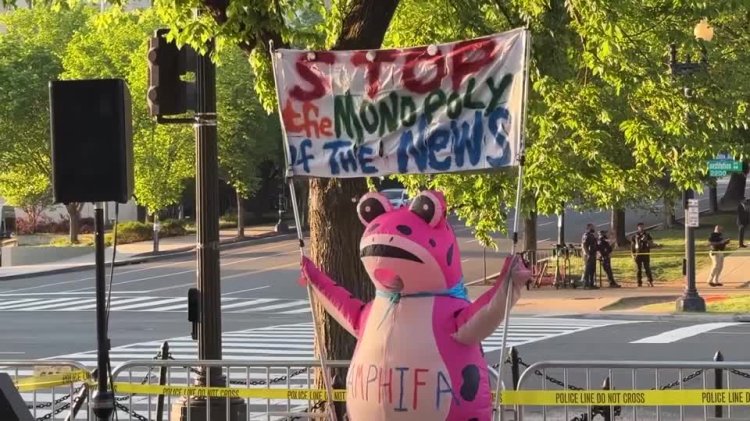
Demonstrators in Washington staged a “Stop Paramount’s Corruption Gala” protest against the proposed $110 billion merger between Paramount Global and Warner Bros. Discovery, drawing added attention when a presidential motorcade passed nearby. Organizers, including leaders from Public Citizen and Free Press, argued the merger would concentrate excessive media power, threaten jobs, curtail creative opportunities, and reduce consumer choice by bringing major film, television and digital assets under one corporate umbrella.
The protest came after Warner Bros. Discovery shareholders approved the deal, shifting focus to heightened regulatory scrutiny in the United States and the United Kingdom. Speakers urged antitrust enforcers and political leaders to block the transaction, warning that consolidation could lead to higher subscription prices, fewer distribution options, diminished independent editorial voices, and reduced diversity in content. Activists called for stronger enforcement and safeguards to protect competition and maintain multiple, independent media outlets.
Supporters of the merger say consolidation can create efficiencies, bolster global competitiveness, and support greater investment in content creation at a time when streaming platforms face stiff competition. Critics counter that past large-scale media consolidations often led to layoffs, restructuring, and less diverse content, and they say enforcement focused solely on economic efficiencies may overlook cultural and democratic risks.
Industry analysts note that mergers of this magnitude typically undergo intense regulatory review assessing impacts on competition, innovation, consumer welfare and journalistic independence. Outcomes can range from unconditional approval to demands for remedies or outright blockage. The protest underscores the growing public concern over media consolidation and the role of regulators in balancing corporate strategy with public interest. It also highlights broader debates about how best to preserve a diverse media ecosystem amid technological change and shifting consumer habits, with activists aiming to influence both the regulatory process and the wider discussion about the future of media ownership.