

China debuts pharmacy robot
Beijing pilot uses robot for OTC drug sales
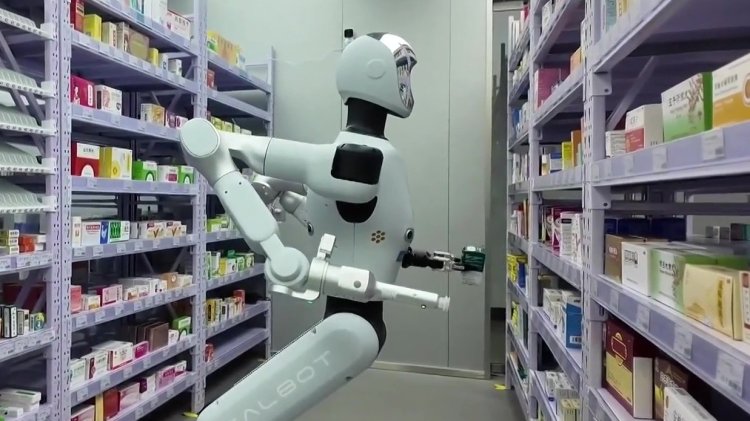
China has put its first retail pharmacy robot into service in Beijing, marking a pilot step toward automating non‑prescription drug dispensing. The humanoid robot, developed by start‑up Galbot, autonomously patrols a pharmacy floor, identifies a wide range of over‑the‑counter medicine packaging, grasps items and deposits them into a vending‑style machine for customer collection. Galbot says the system’s generalized recognition and grasping accuracy exceeds 99.9 percent and that peak daily throughput can reach about 370 orders.
Developers highlighted the technical challenge of varied packaging—boxes, transparent bottles and flexible pouches—requiring robust vision and manipulation capabilities. The robot is restricted to non‑prescription drugs: regulators emphasize that prescription medicines still require a licensed pharmacist to review prescriptions, a function robots cannot perform. Haidian district market supervision officials said their oversight will focus on whether robotic involvement affects drug quality.
The rollout is part of a pilot program intended to test humanoid automation across pharmacies in China, aiming to streamline service, reduce human workload and improve dispensing accuracy in busy retail outlets. Proponents argue the technology can cut wait times and free pharmacists for clinical tasks; critics warn of potential impacts on pharmacy employment and stress the need for strict quality and safety controls.
The pilot also raises regulatory and operational questions: how to ensure cold‑chain integrity, prevent dispensing errors in complex cases, and integrate robots into existing supervision frameworks. For now, the deployment offers a controlled example of advanced robotics applied to routine pharmacy functions, balancing efficiency gains with regulatory safeguards that keep prescription review and final quality responsibility with qualified human professionals. Observers will monitor the pilot’s outcomes for possible wider adoption across urban pharmacies if safety, reliability and public acceptance are demonstrated.