

Albania protests erupt over graft claims
Clashes follow calls for deputy PM’s resignation
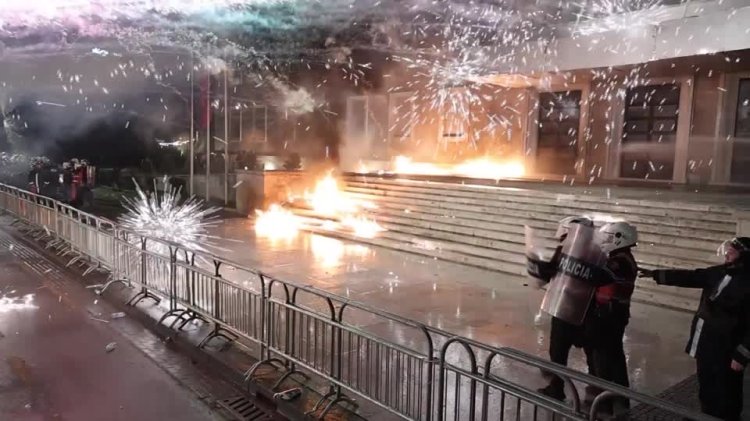
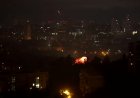
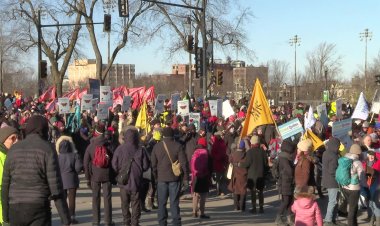
Hundreds to thousands of protesters clashed with police in Tirana and other Albanian cities after mass demonstrations demanding the resignation of Deputy Prime Minister Belinda Balluku over alleged corruption in public tenders linked to major infrastructure projects. Protesters gathered outside government buildings waving flags and banners and chanting against Prime Minister Edi Rama’s administration, accusing it of favouring politically connected companies and misusing public funds. As night fell in the capital, some demonstrators threw petrol bombs, stones and flares; police responded with water cannon, tear gas and riot units, and authorities reported multiple arrests and injuries among officers and civilians. Vehicles and public property were set ablaze and damage was reported to government offices, while hospitals treated people for tear-gas exposure and minor traumas.
The unrest follows an indictment by the Special Prosecution Office, which has requested that parliament lift Balluku’s immunity to allow her arrest; Balluku denies the allegations. It remains unclear when—or whether—parliament, where the ruling party holds a majority, will vote on the request. Opposition parties and civic groups organized the protests, accusing the government of entrenched impunity and demanding early elections and independent investigations, potentially overseen by international observers. The government condemned the violence and urged that corruption claims be handled through legal channels, warning that unrest would not be tolerated.
Civil society organisations voiced concern about both the graft allegations and the force used during demonstrations, calling for restraint and transparent probes into the claims and the police response. EU officials monitoring Albania’s progress toward accession have repeatedly stressed anti-corruption reforms and political stability as prerequisites, and analysts warn that sustained instability could complicate the country’s EU ambitions. Security was tightened around key institutions, with extra police deployments and checkpoints. Opposition leaders say protests will continue until concrete measures address corruption; authorities insist the rule of law must prevail. The episodes underscore deep political polarization and pose a test of Albania’s democratic institutions and ability to tackle high-level corruption without descending into prolonged instability.