

Sudan war cripples Al-Obeid crops market
Conflict cuts supplies to key hub and drives prices higher
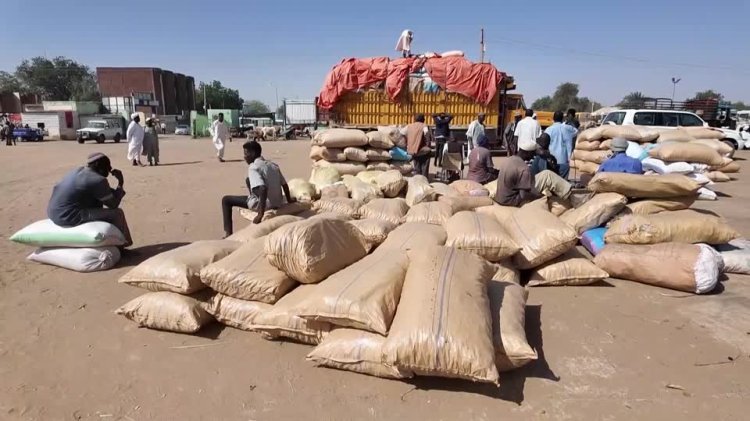
Al-Obeid’s main crops market, a vital trading hub for gum Arabic, sesame, groundnuts, sorghum and other staples, has been severely disrupted by the country’s ongoing conflict, traders say. Supplies from production areas in Darfur and across Kordofan have plunged to roughly 10% of pre-war levels as blocked roads, insecurity and soaring transport costs prevent farmers and merchants from moving produce to the city. The market, long a conduit to national and export destinations, has suffered direct damage from recent drone strikes; traders reported an incident three months ago that set back recovery efforts. Residents and market officials say intensified drone activity around the city—part of a shift in fighting after paramilitary Rapid Support Forces consolidated gains in western Darfur—has compounded fears of looting and made drivers reluctant to travel, pushing freight fares up and deterring purchases.
Reduced supply and collapsing local demand driven by unpaid wages, business closures and rising inflation have cut trading volumes and squeezed margins for wholesalers and retailers. Some farmers are forced to sell at distress prices to obtain cash; others withhold harvests awaiting safer conditions, causing erratic availability and volatile prices, in some cases exceeding global levels. Warehouses and storage facilities have also been damaged, looted or abandoned, increasing post-harvest losses and further undermining trade capacity.
Local authorities and community groups have limited ability to restore security or repair infrastructure, and informal protection efforts remain fragile. Traders report significant capital losses from looting, route closures and unpaid debts, and say surviving is the immediate priority rather than profit. Aid agencies warn that disruptions to Al-Obeid’s market risk aggravating food shortages nationwide, since the hub supplies urban centers and export channels that provide foreign currency. Economists caution that prolonged conflict will erode the trade networks, trust and infrastructure needed for agricultural recovery, and could permanently diminish Al-Obeid’s role in Sudan’s food system. For now, the near-empty stalls and sharply reduced activity stand as a visible consequence of how the war has fractured markets and deepened economic hardship across the country.