

Libya mourns Saif al-Islam Gaddafi
Authorities probe killing as funeral draws large crowds
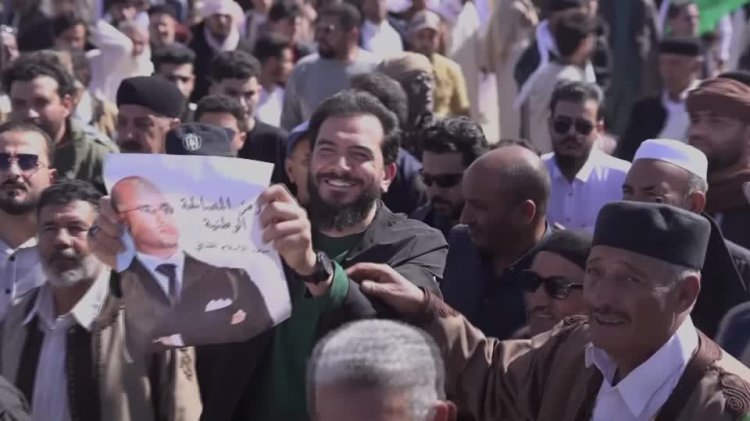
Bodies were carried through the streets of Bani Walid as Libyans attended a funeral for Saif al-Islam Gaddafi, who was killed earlier this week after gunmen reportedly broke into his home. His office said he died in a “direct confrontation” with four unknown assailants; prosecutors and forensic doctors later determined gunshot wounds were the cause of death and said investigations to identify suspects are underway.
Once seen as his father Muammar Gaddafi’s heir apparent, Saif al-Islam, 53, had from prominence fallen into years of obscurity and a failed bid for the presidency that helped derail past election efforts. Though he held no official post, his name remains polarizing across Libya’s divided political landscape. The funeral drew mourners and tribal elders from surrounding areas to the town long associated with the Gaddafi tribe, with traditional robes, chants and prayers marking the ceremony. Tight security and checkpoints were in place amid fears of unrest.
Speakers at the service — including tribal leaders — urged restraint, called for a transparent probe and warned against cycles of revenge that have fuelled instability. Supporters framed the turnout as evidence of continuing loyalty to the Gaddafi family and frustration with Libya’s fragmented authorities; critics warned such displays risk reviving old divisions. Human rights groups pointed to the killing as emblematic of weak rule of law in a country where assassinations and armed violence often go unresolved.
Officials have not said whether the killing was politically motivated or the result of personal disputes, and details remain contested. Authorities appealed for calm and patience while the inquiry continues. The incident underscores how personal tragedies involving prominent figures can quickly take on national significance in Libya, which remains split between rival administrations and armed factions and where efforts at reconciliation and elections have repeatedly stalled. As mourners laid the coffin to rest, calls for justice and concerns over renewed tensions highlighted how the country’s turbulent past continues to shape its uncertain present.