


Pentagon remarks spark war debate
Americans question role in Israel-Iran conflict
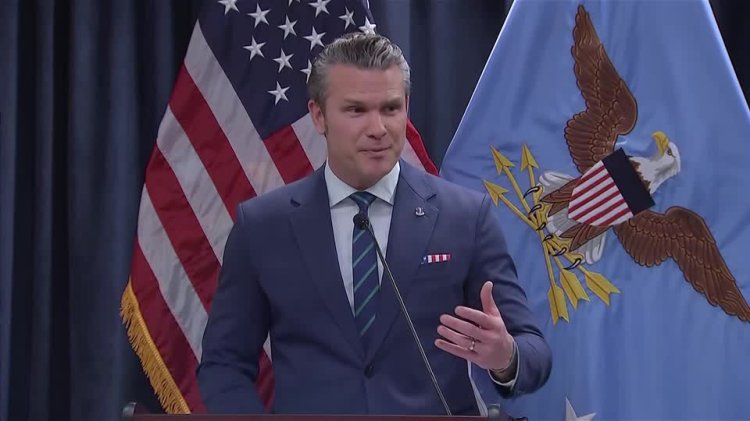
For decades, the American public has been told that Middle Eastern interventions were essential to stop "imminent threats" to the United States. We were told these conflicts were necessary to protect our shores and our way of life. But Pete Hegseth’s recent statements have fundamentally rewritten that script. By openly admitting that the U.S. military is acting as the primary executor of Israeli strategic goals in Iran, the Pentagon is bypassing the traditional argument of American self-defense. This represents a seismic shift in foreign policy. It marks the moment where the line between American interests and Israeli military objectives has completely vanished. The mission parameters are no longer about a direct threat to the U.S. mainland; they are about maintaining regional dominance for an ally, and the Pentagon is no longer afraid to say so out loud. As this news breaks across the airwaves and digital platforms, the reaction from the American public has been swift and overwhelmingly critical. The comments are pouring in by the thousands, and the sentiment is one of profound frustration and anger. For a nation already weary from decades of "forever wars," this blunt admission feels like a betrayal of the American soldier and the American taxpayer. Citizens are asking why their sons and daughters are being put in harm’s way for a conflict that the Pentagon itself now admits is not about a threat to the United States.
The backlash is palpable. From social media feeds to town hall discussions, Americans are expressing their exhaustion. They are tired of being the world's police force, especially when the mission is openly defined as serving a foreign power's agenda. This transparency, while honest, has ignited a firestorm of debate over the cost of blood and treasure. The question echoing across the country is simple: If this isn't our threat, why is it our war? As the Pentagon stands by its admission, it faces a public that is no longer willing to look the other way.